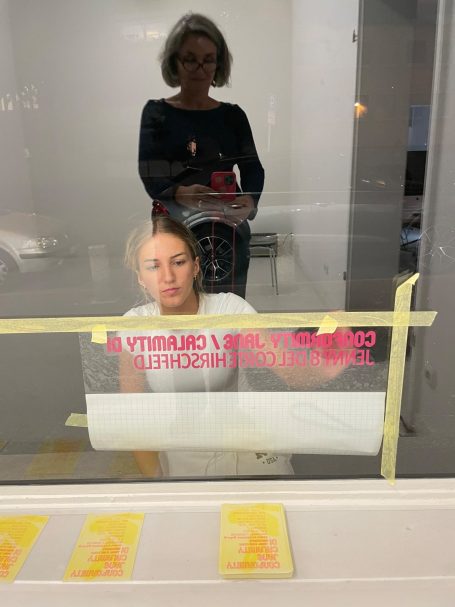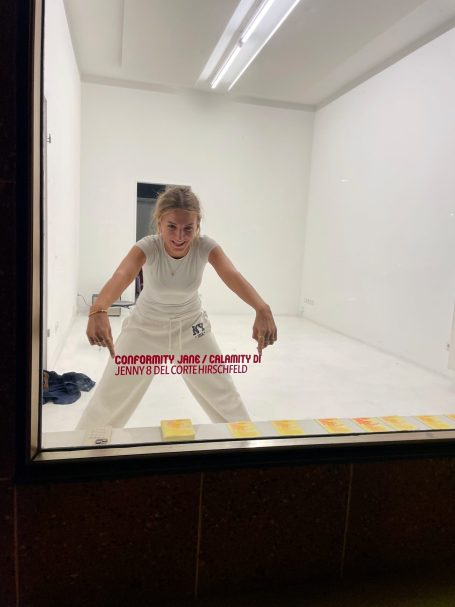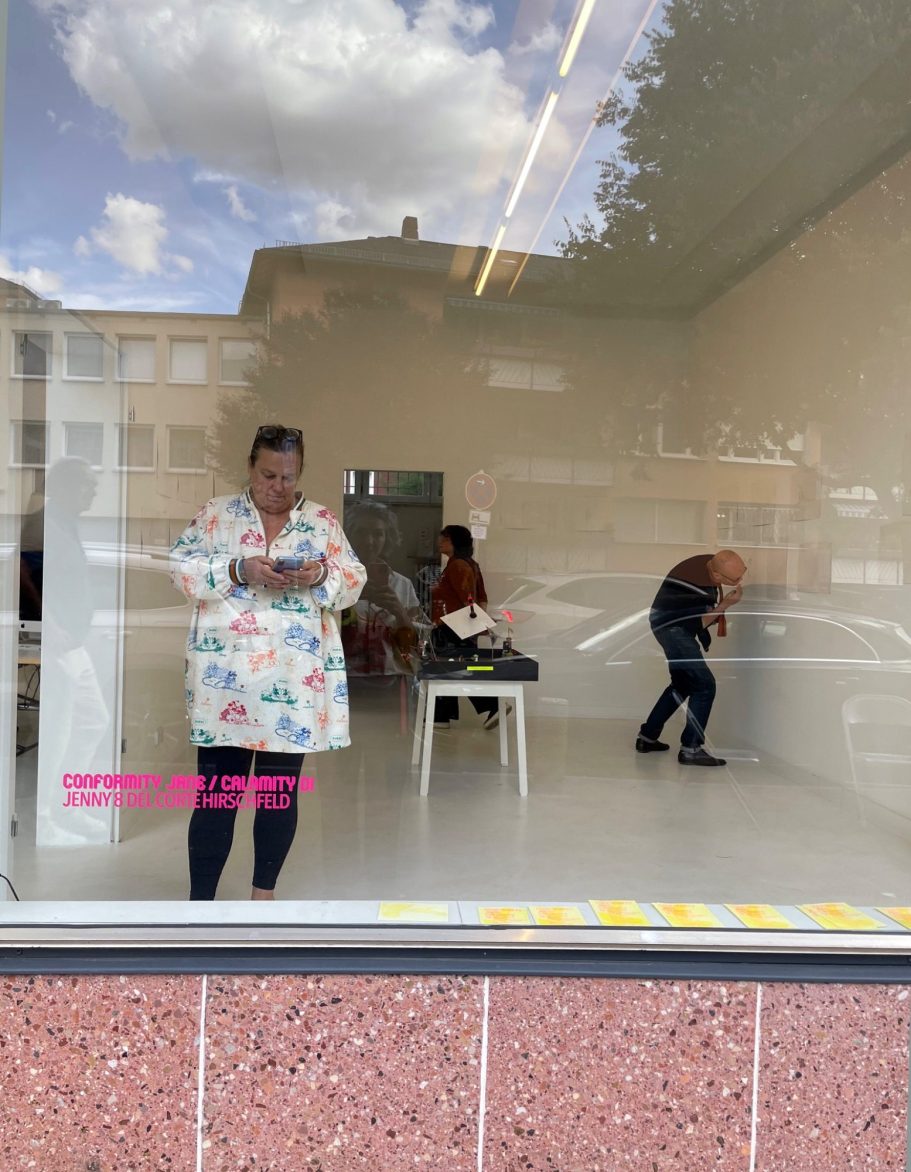

Conformity Jane / Calamity Di
Visibility is not protection.
American democracy has always been wild and limited. While democracy claims to be progressive, for women it came with conditions from the start.
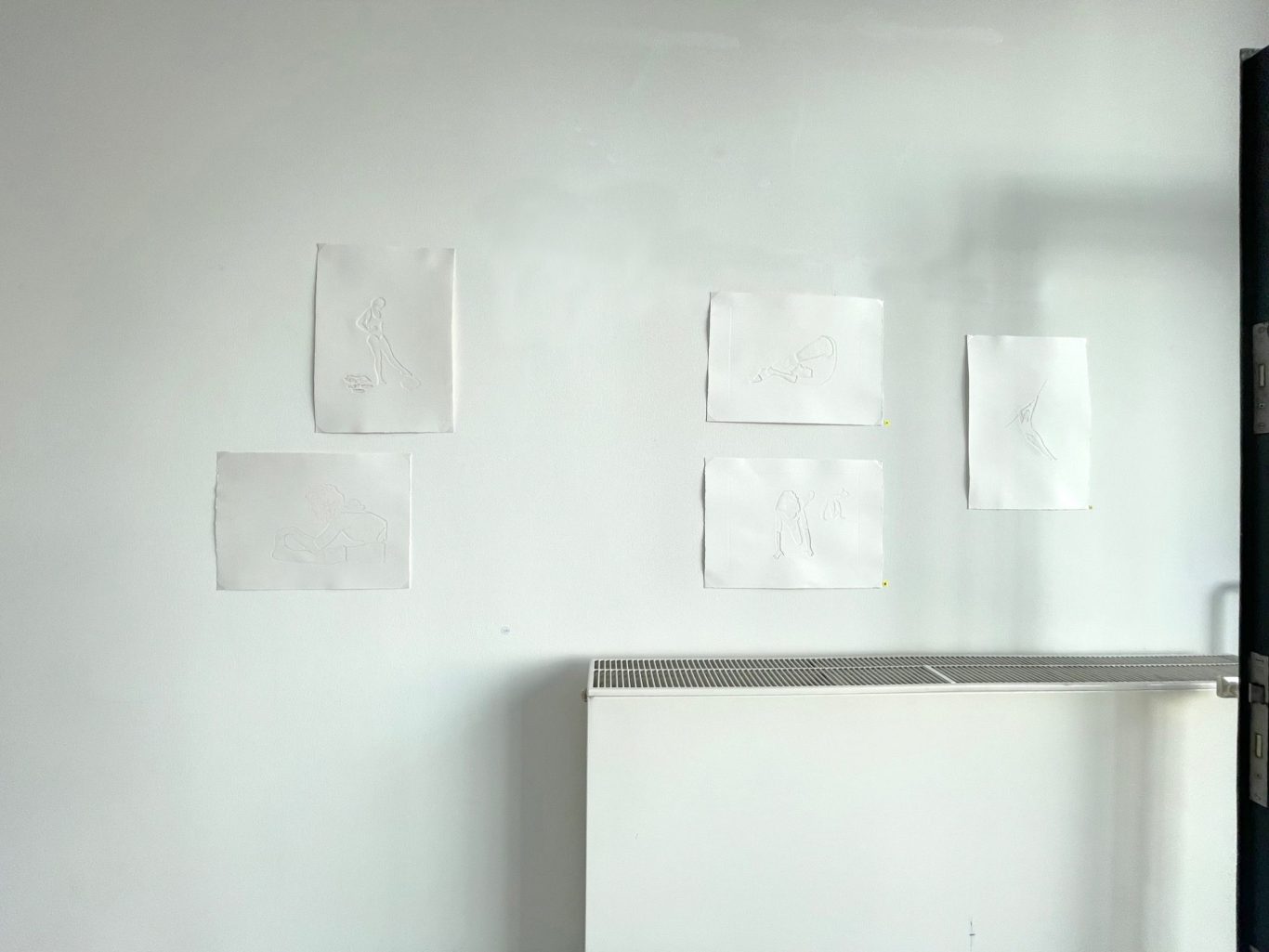
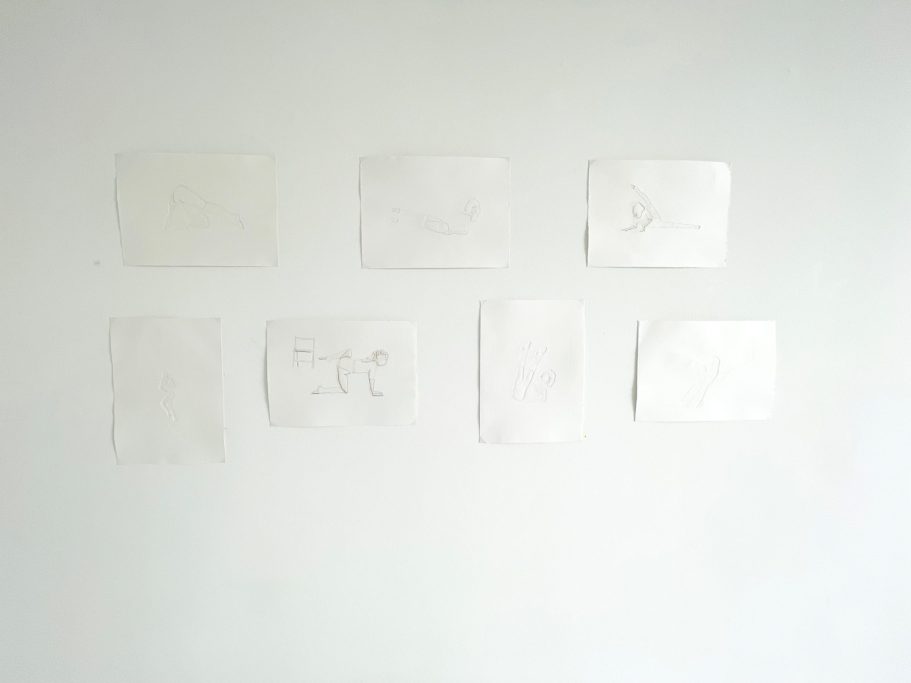
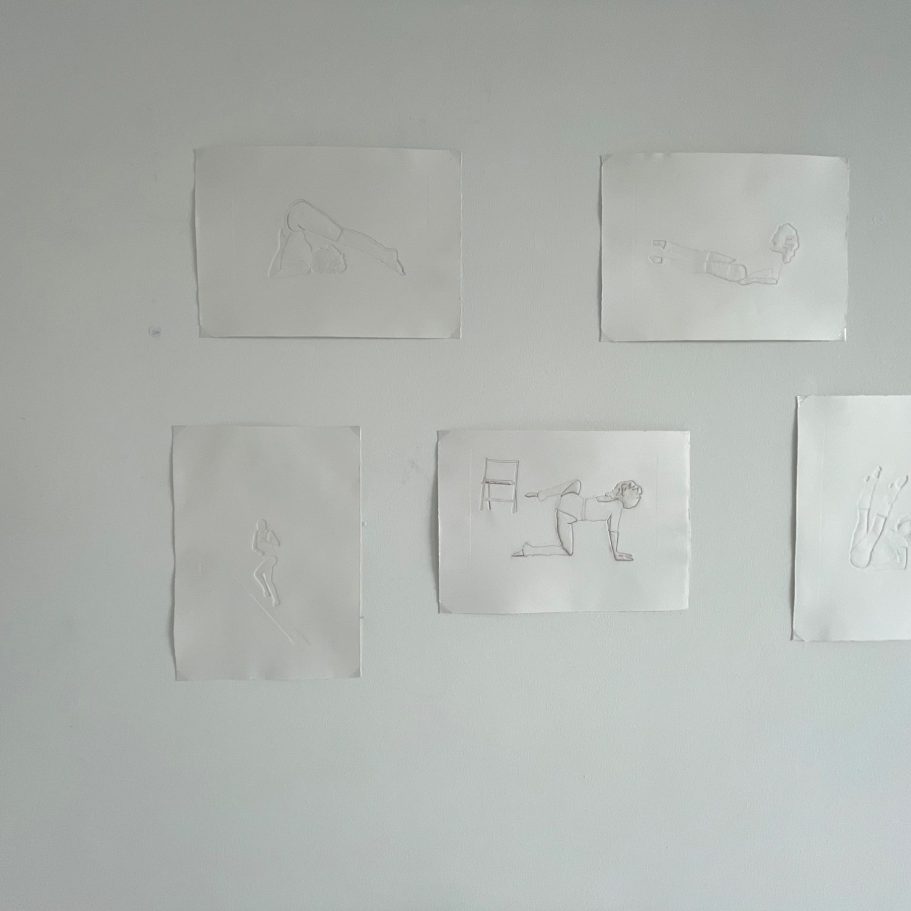
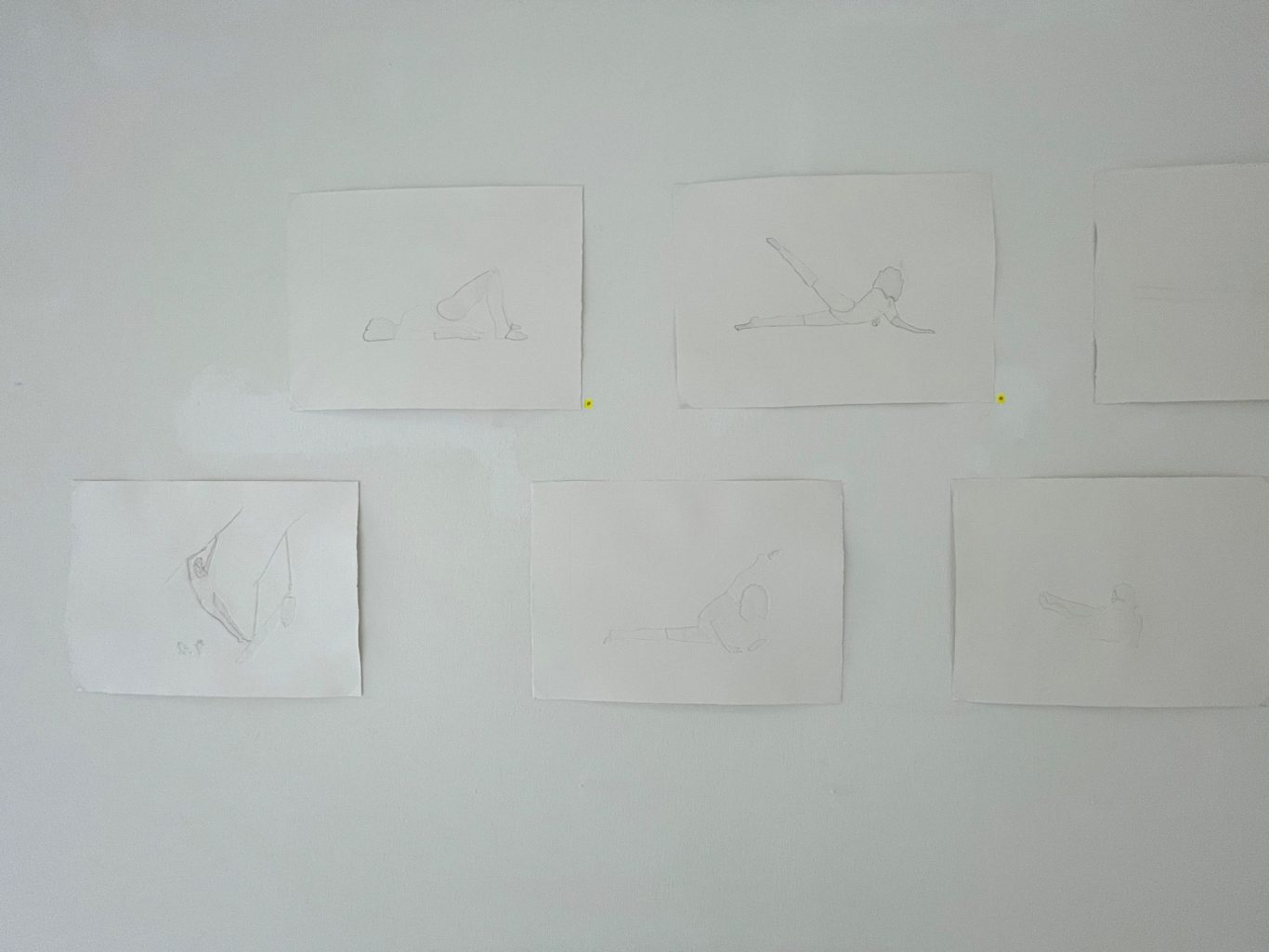
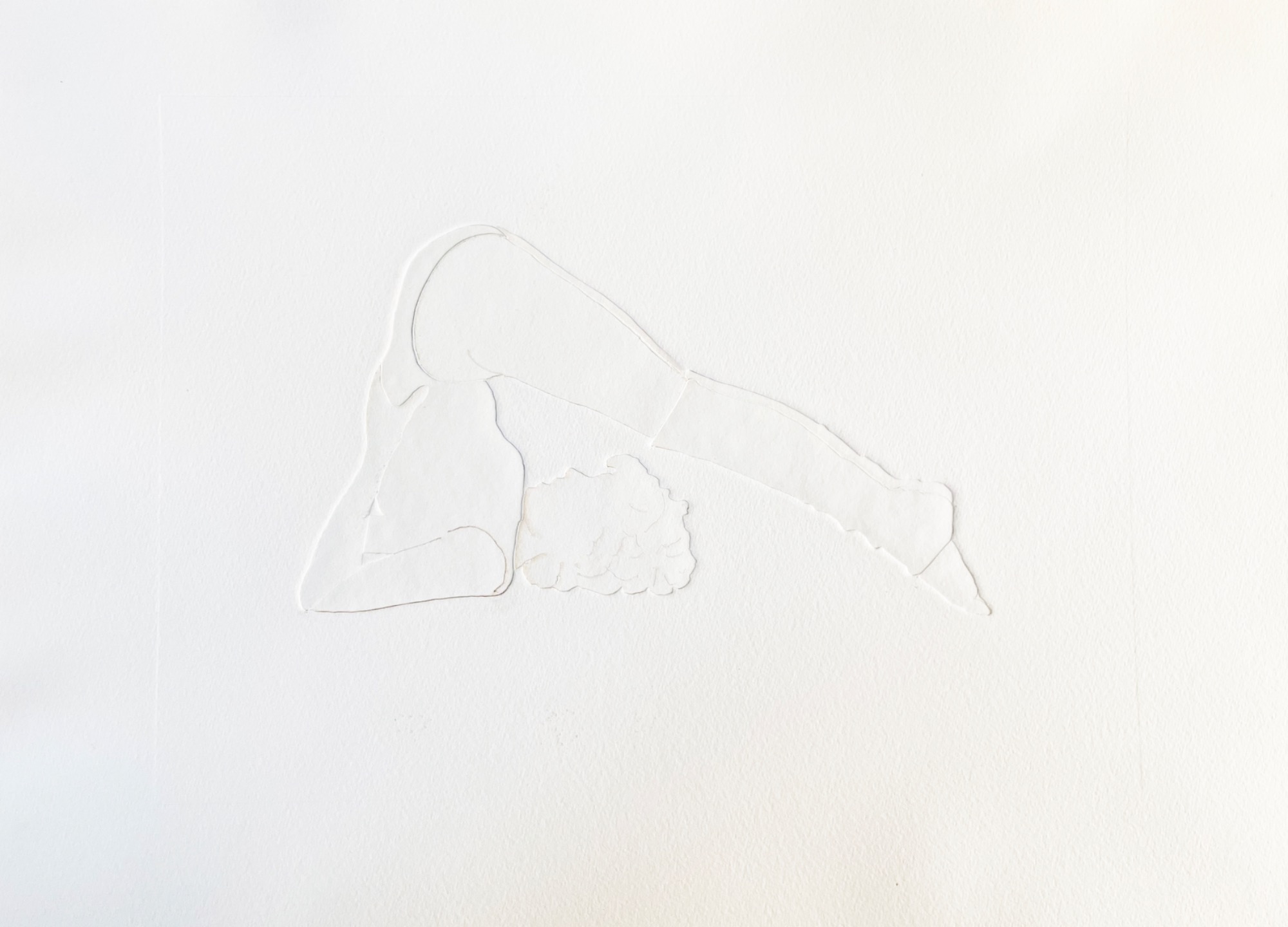
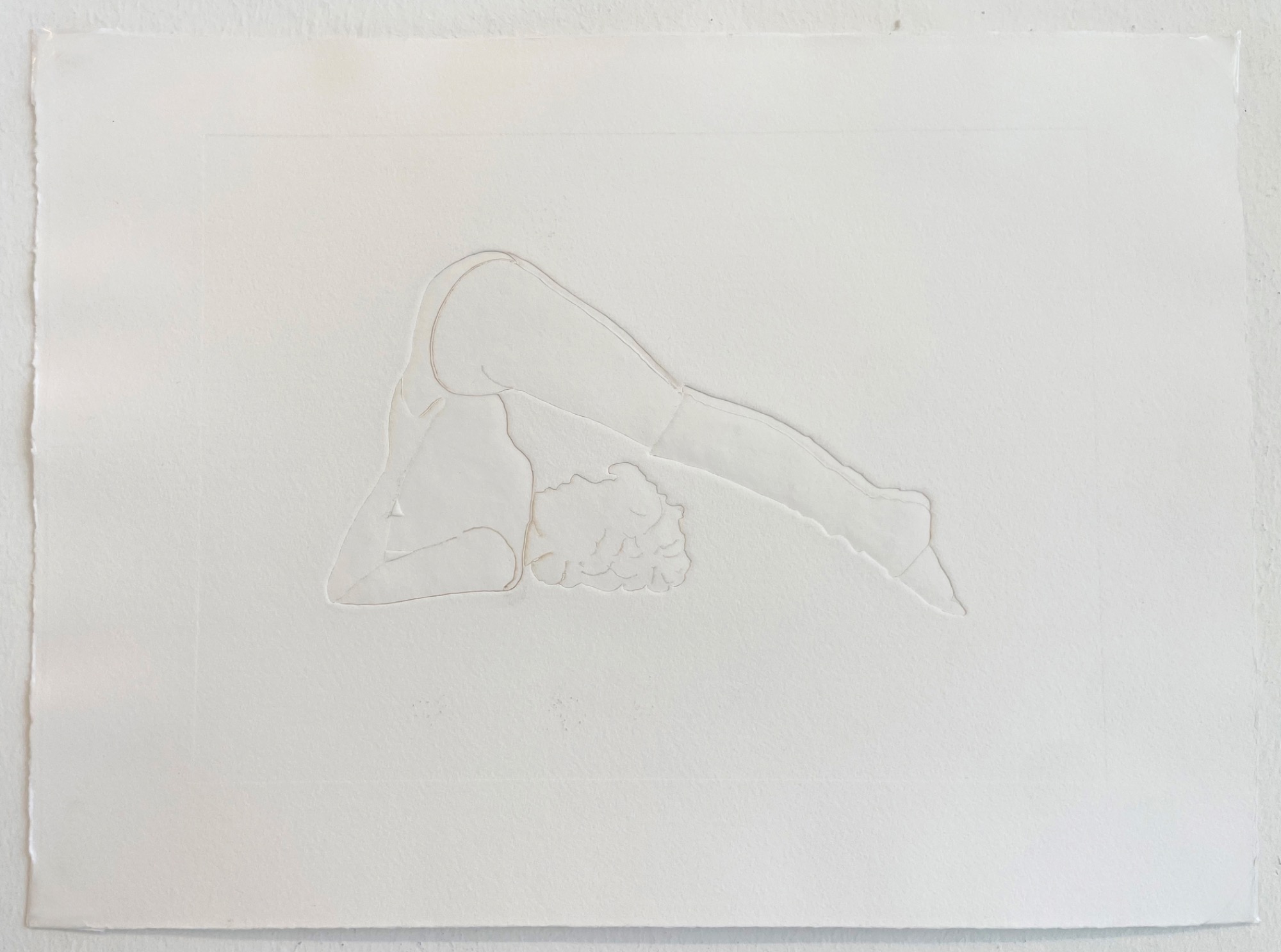
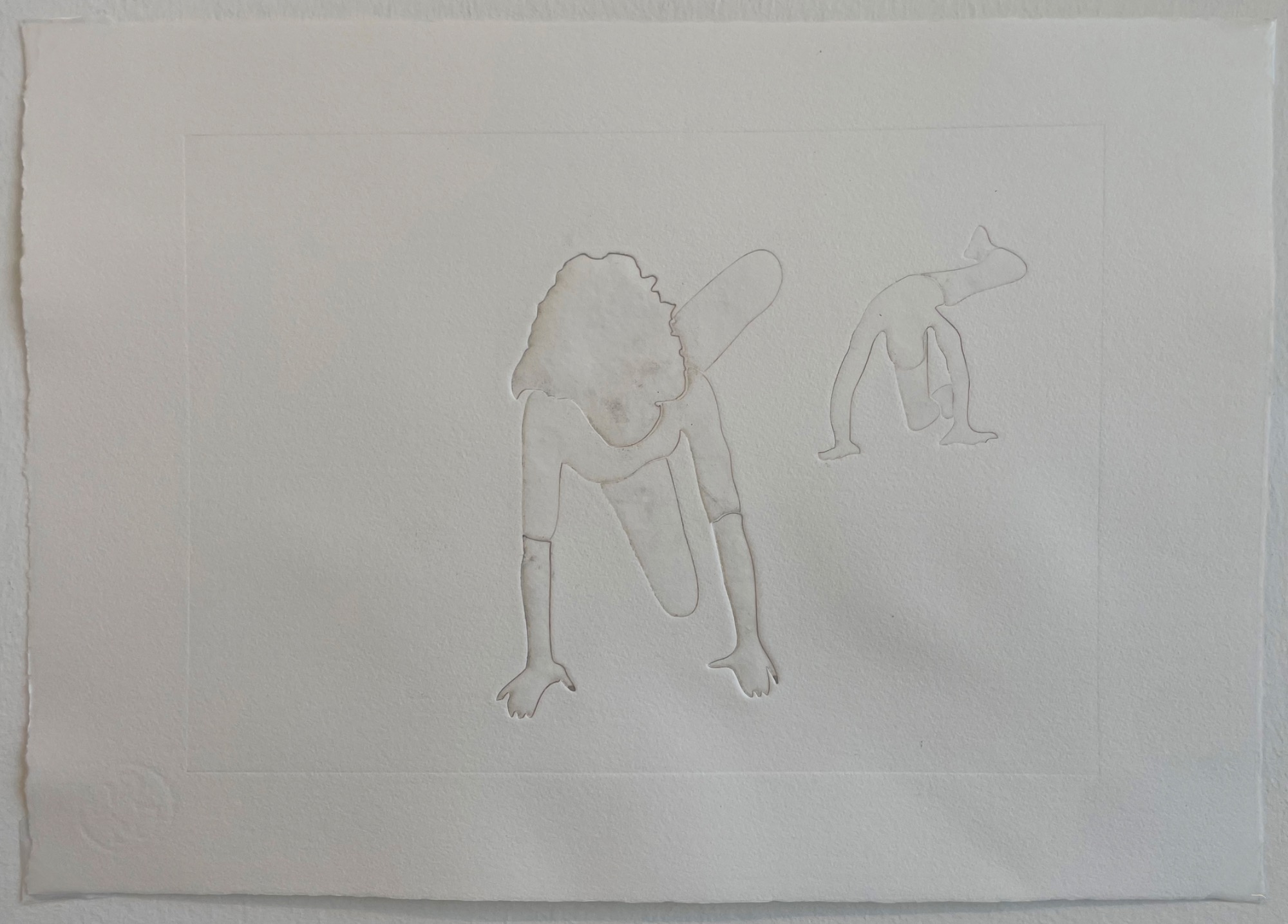
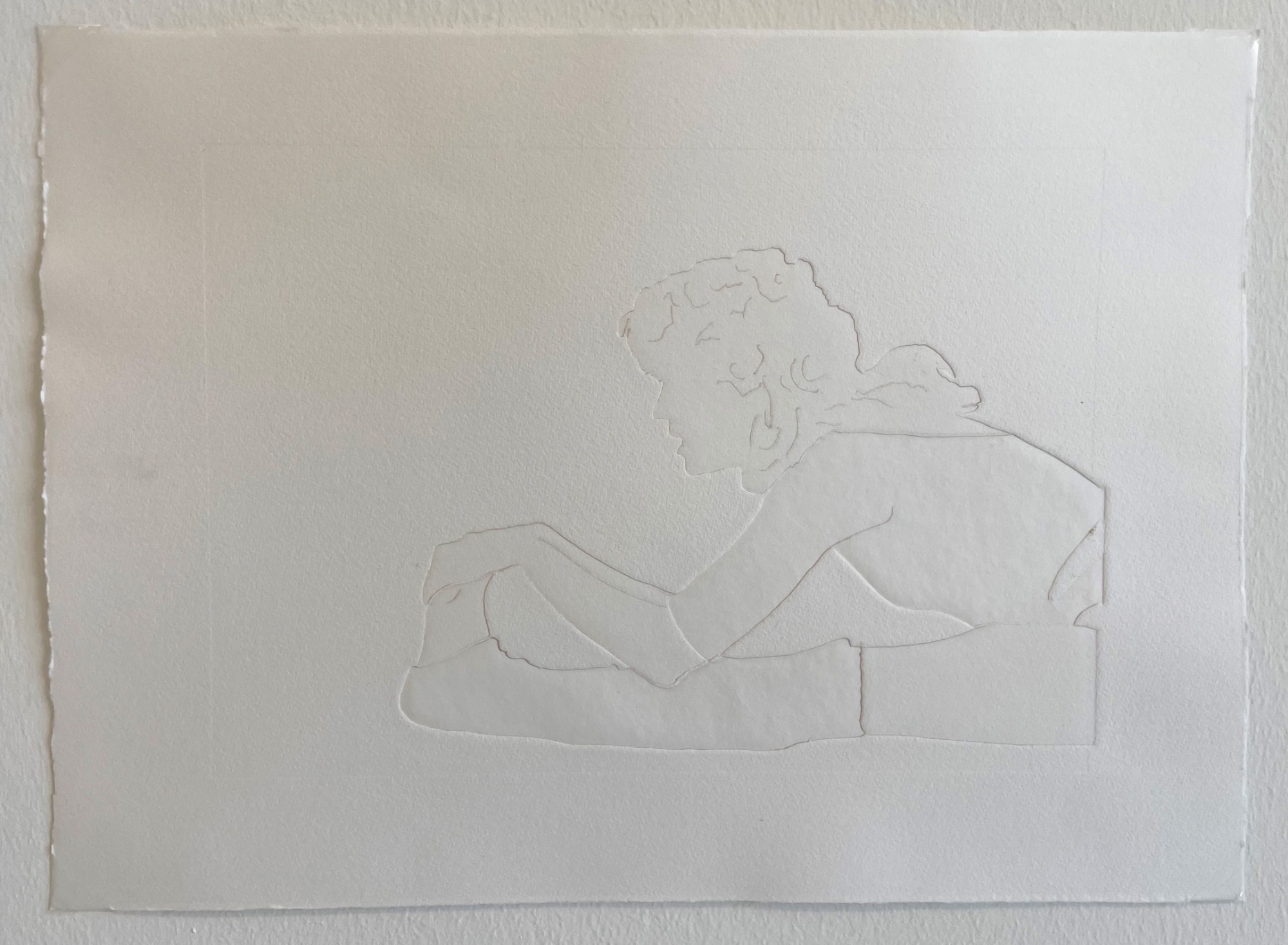
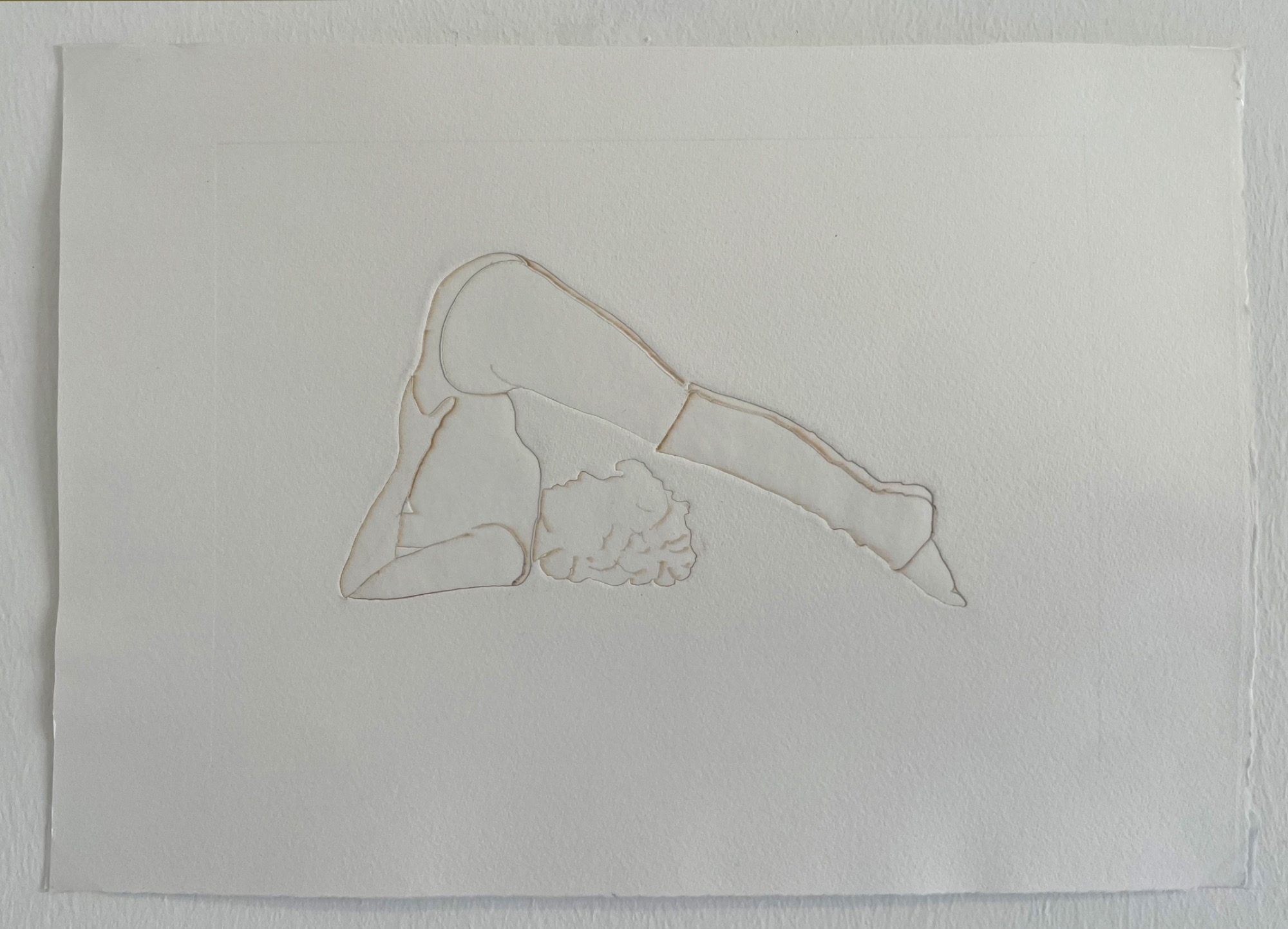
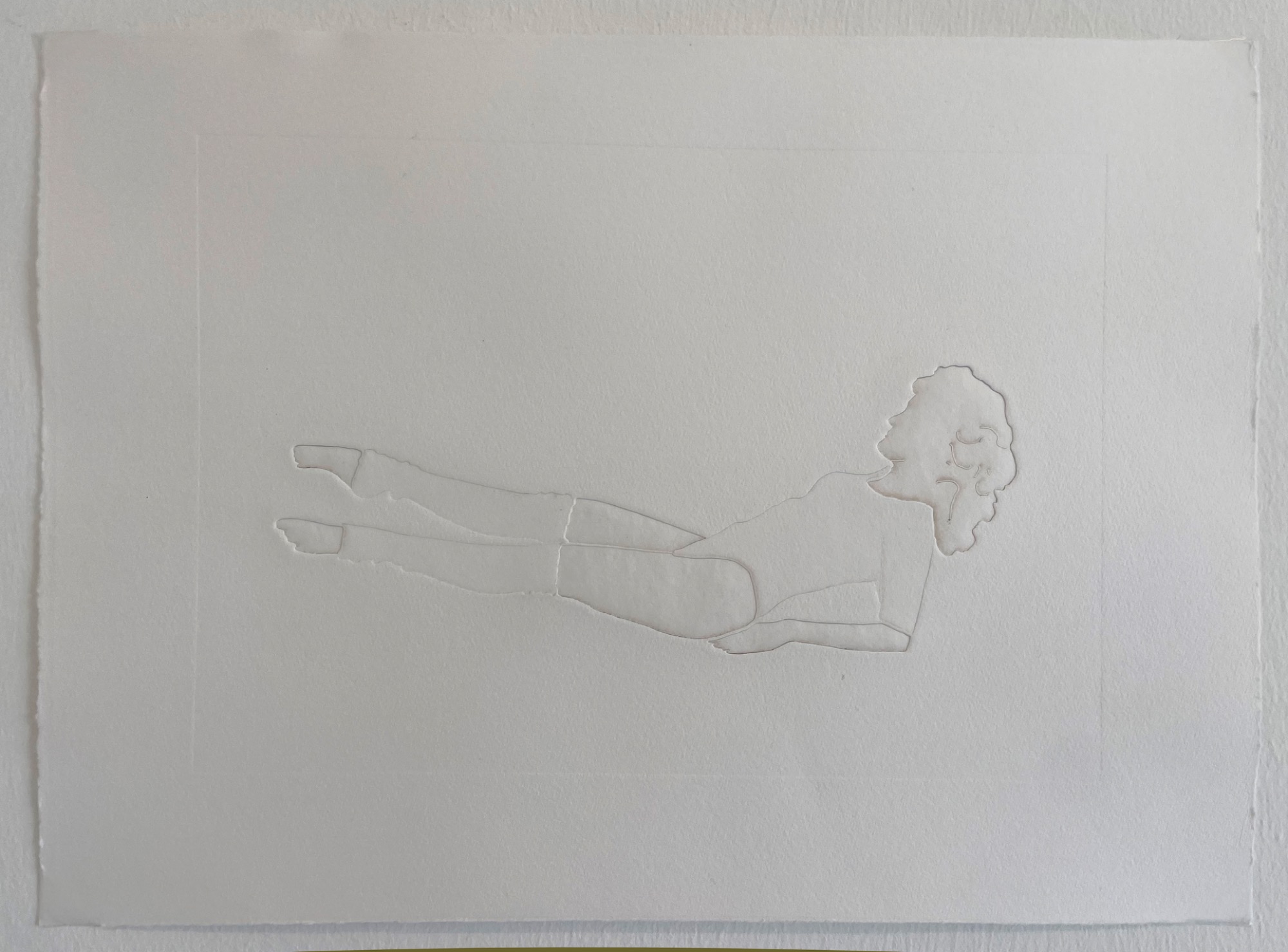
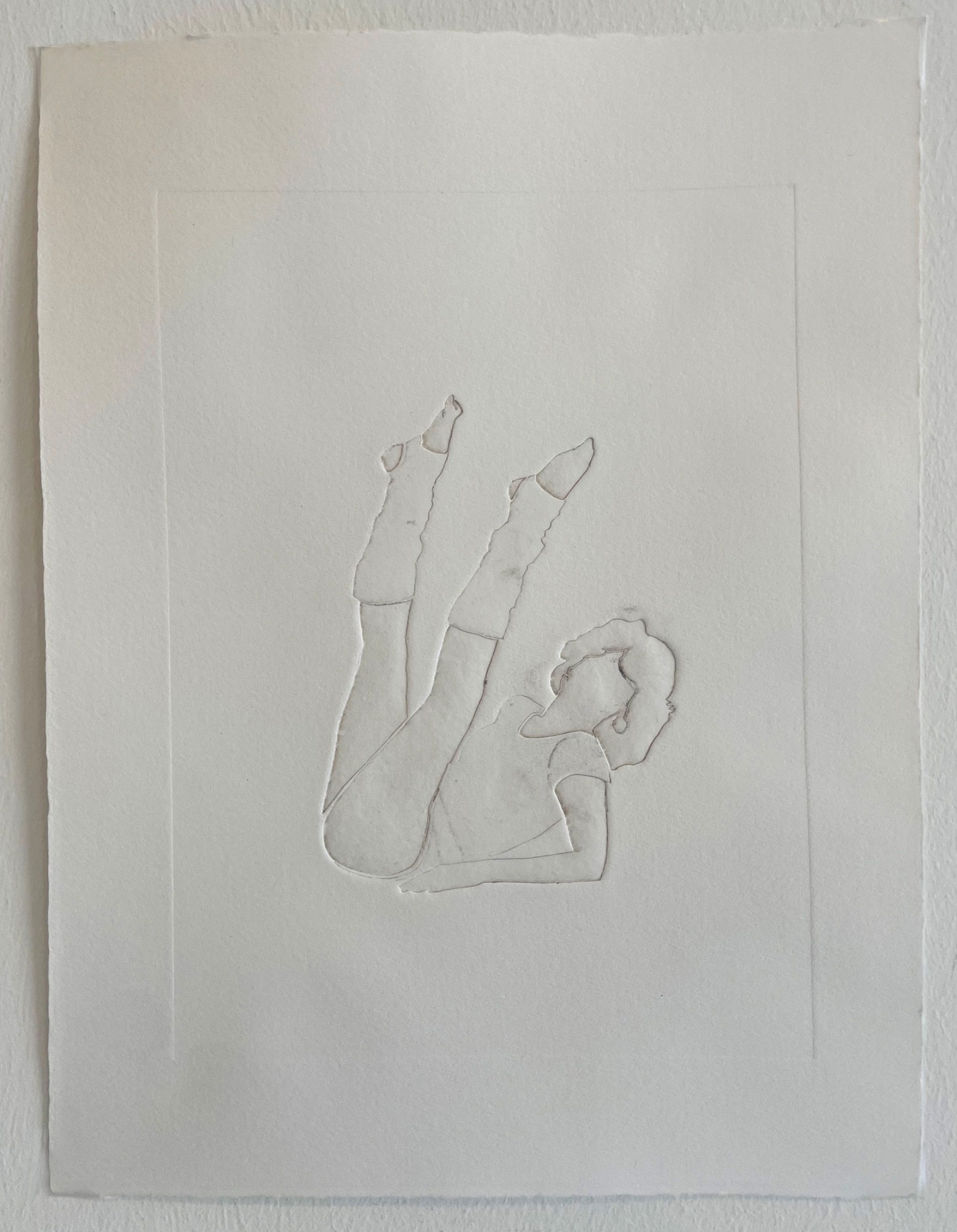
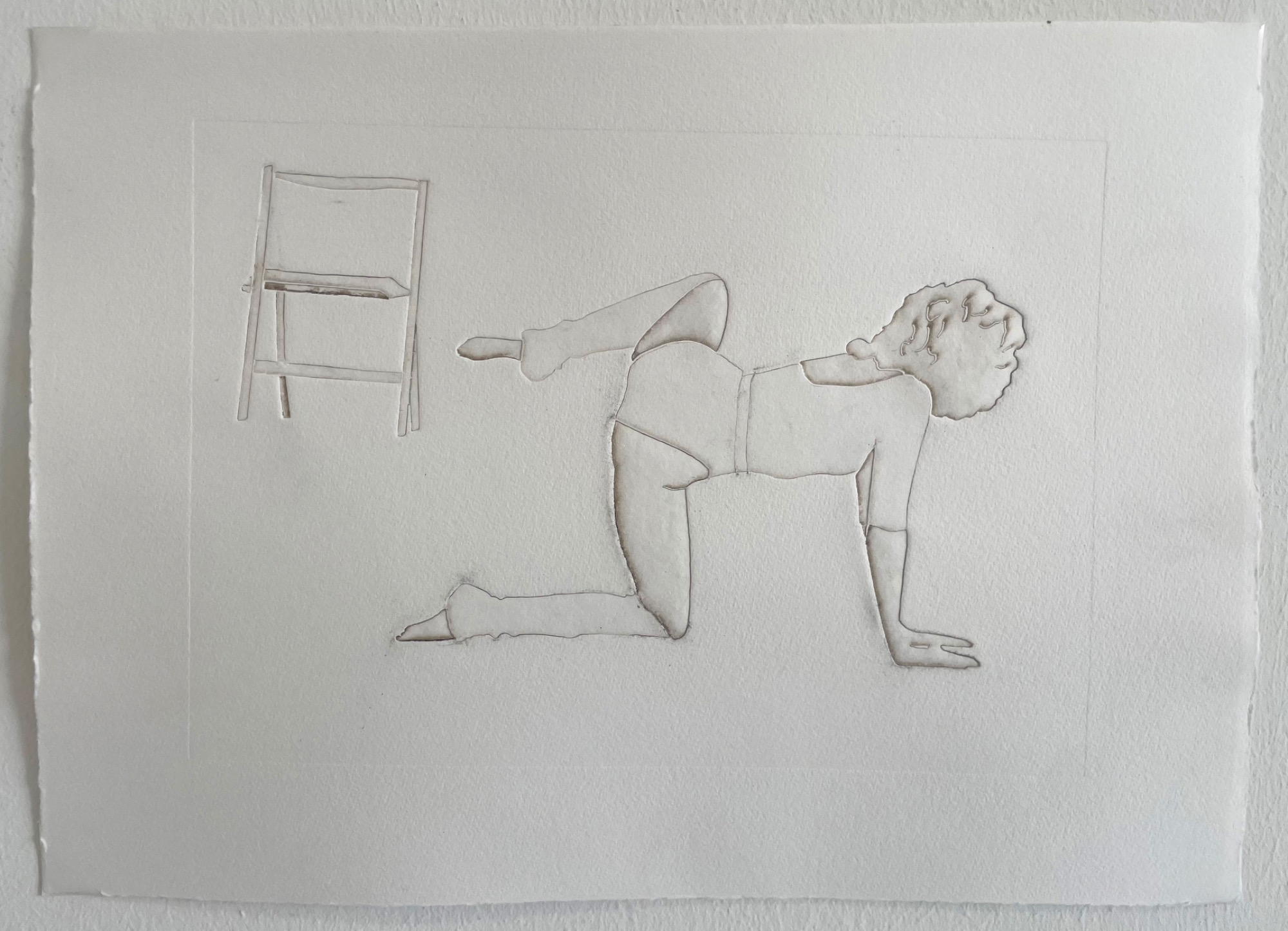
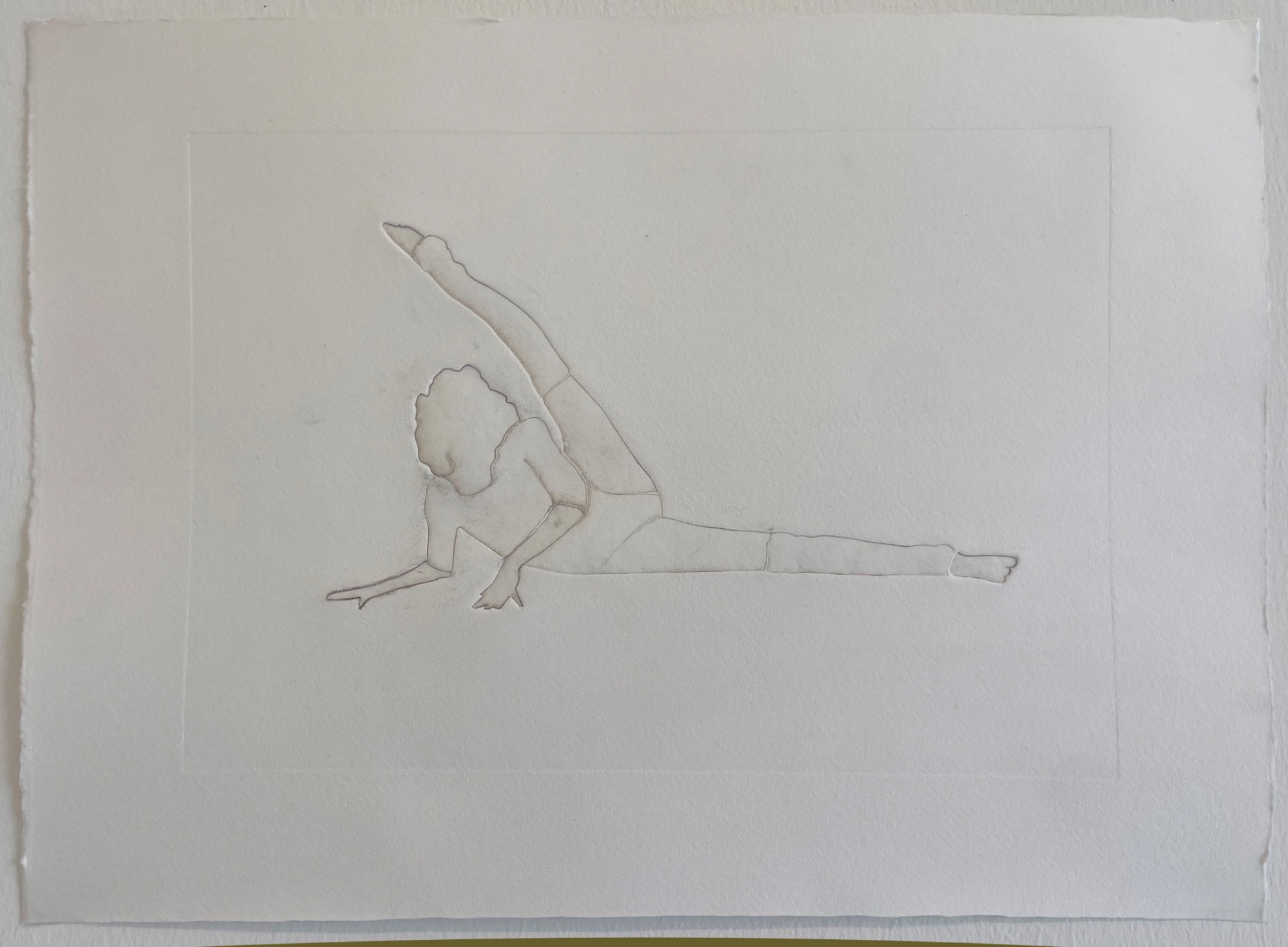
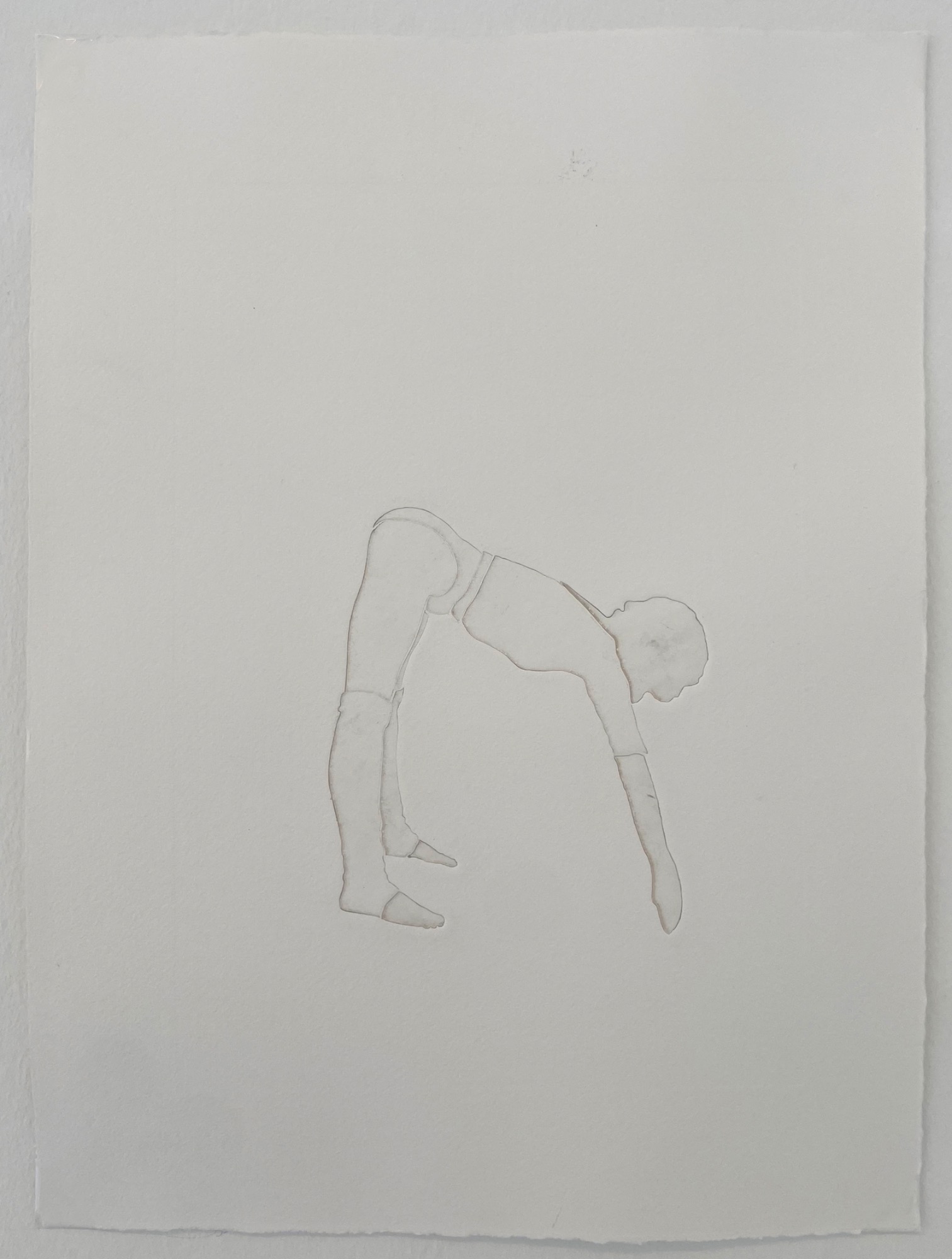
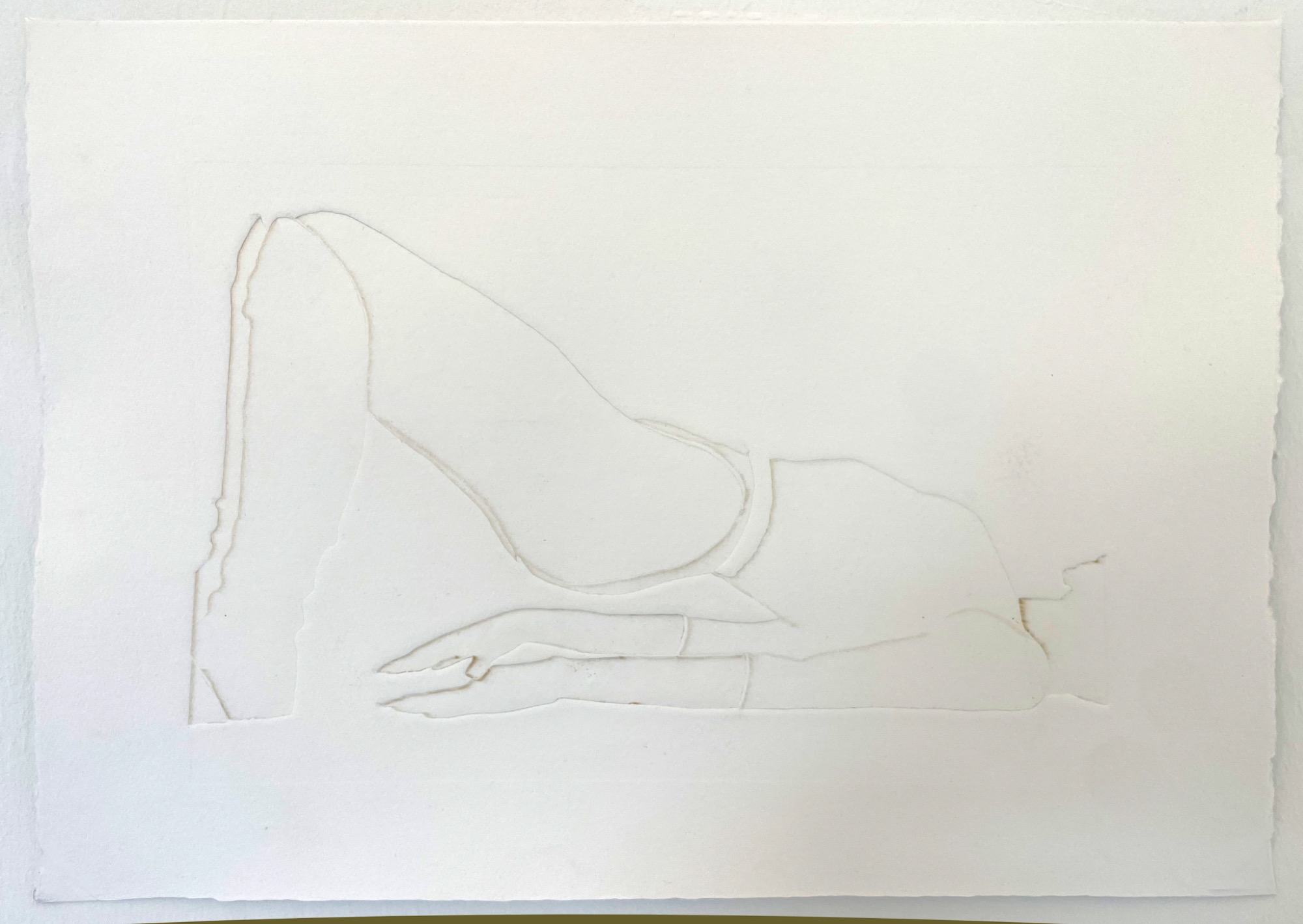
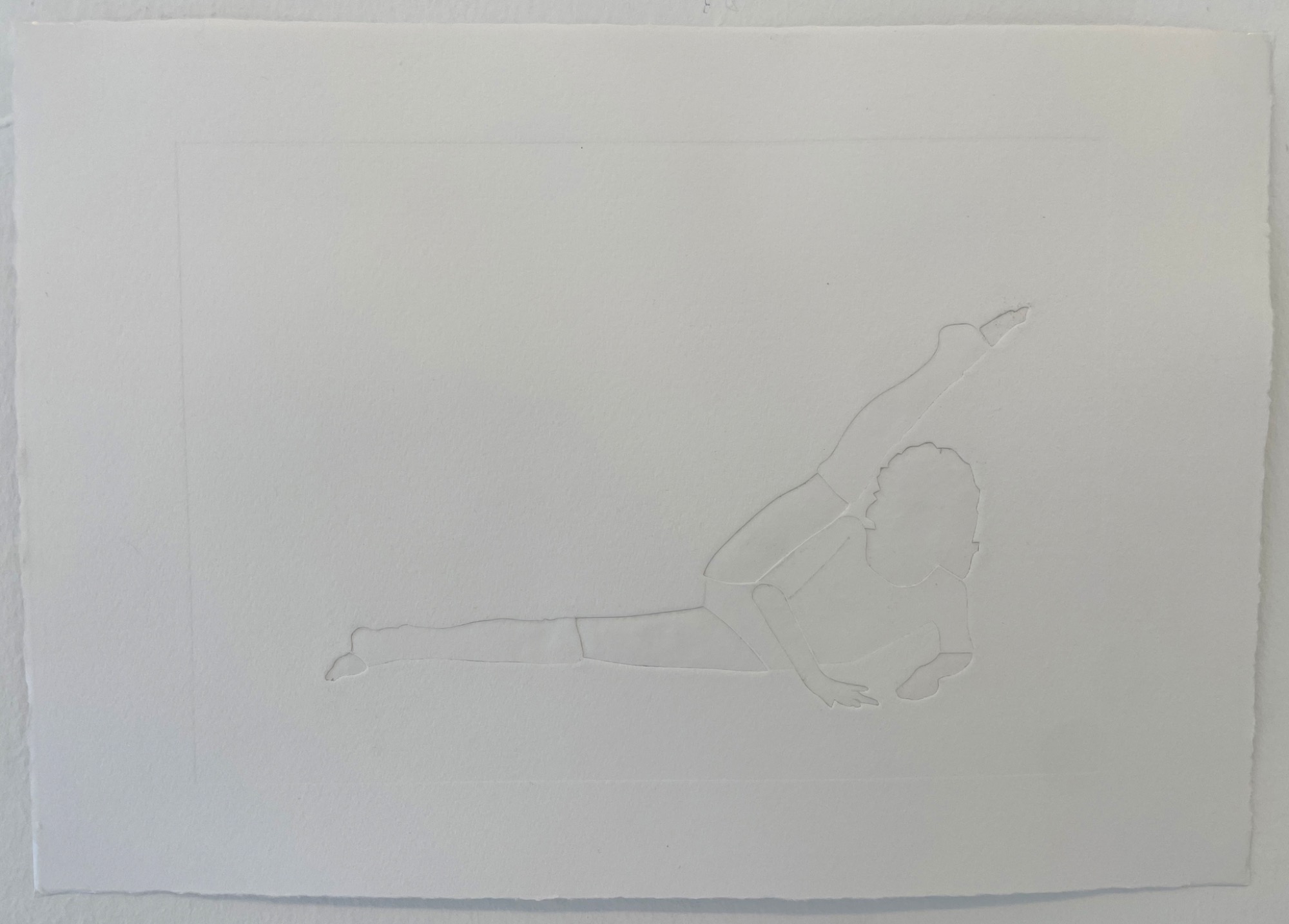
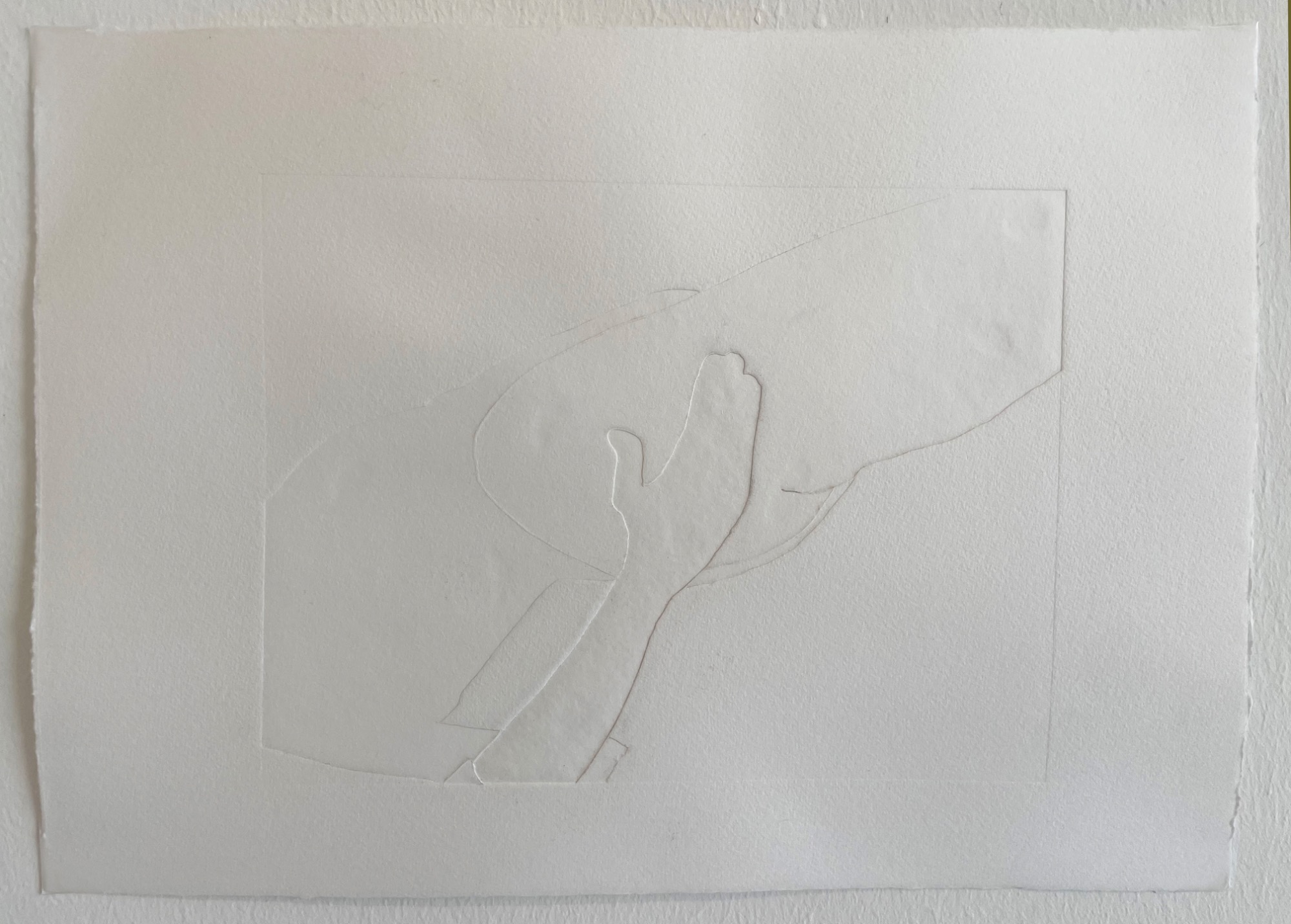
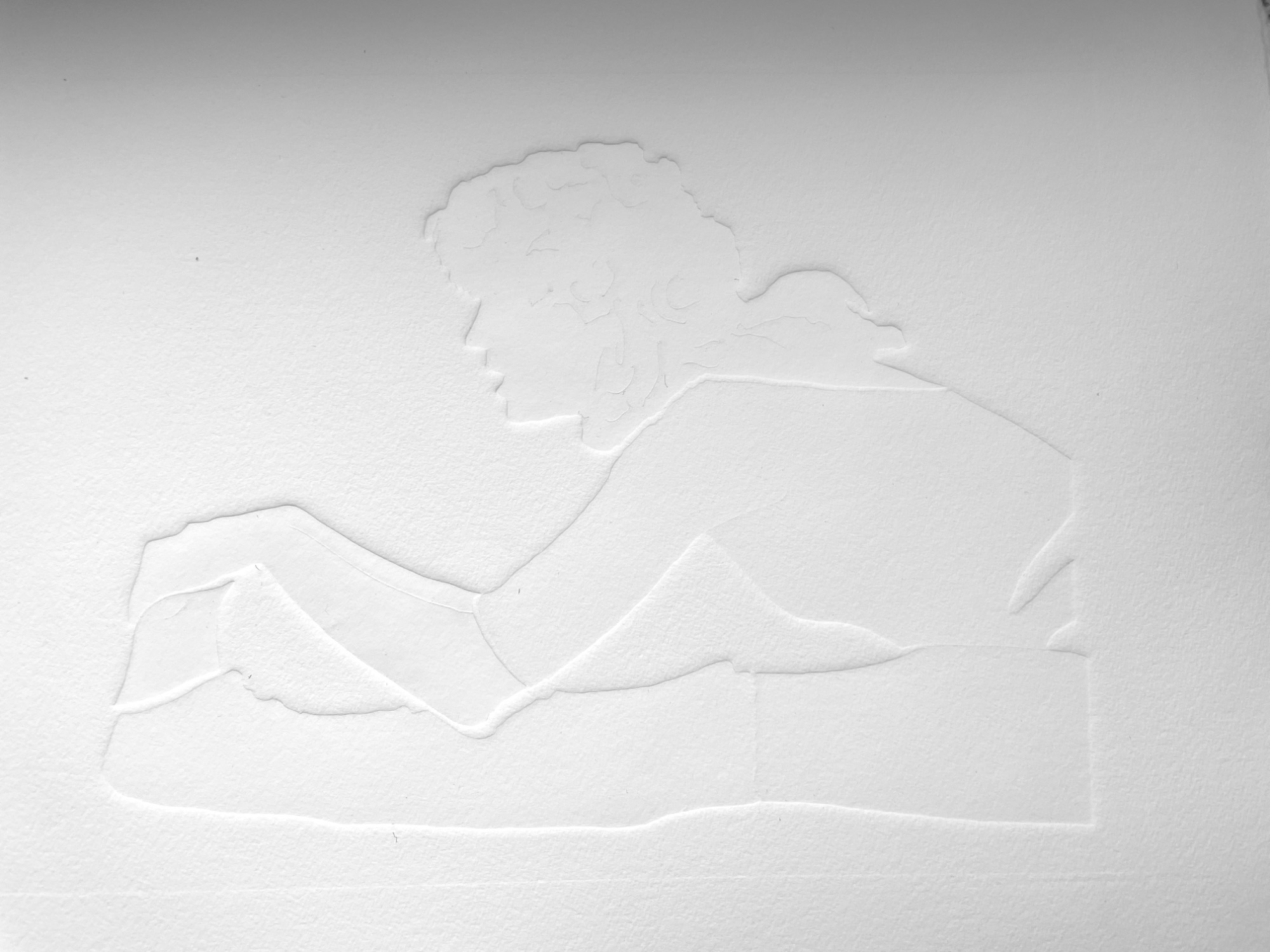
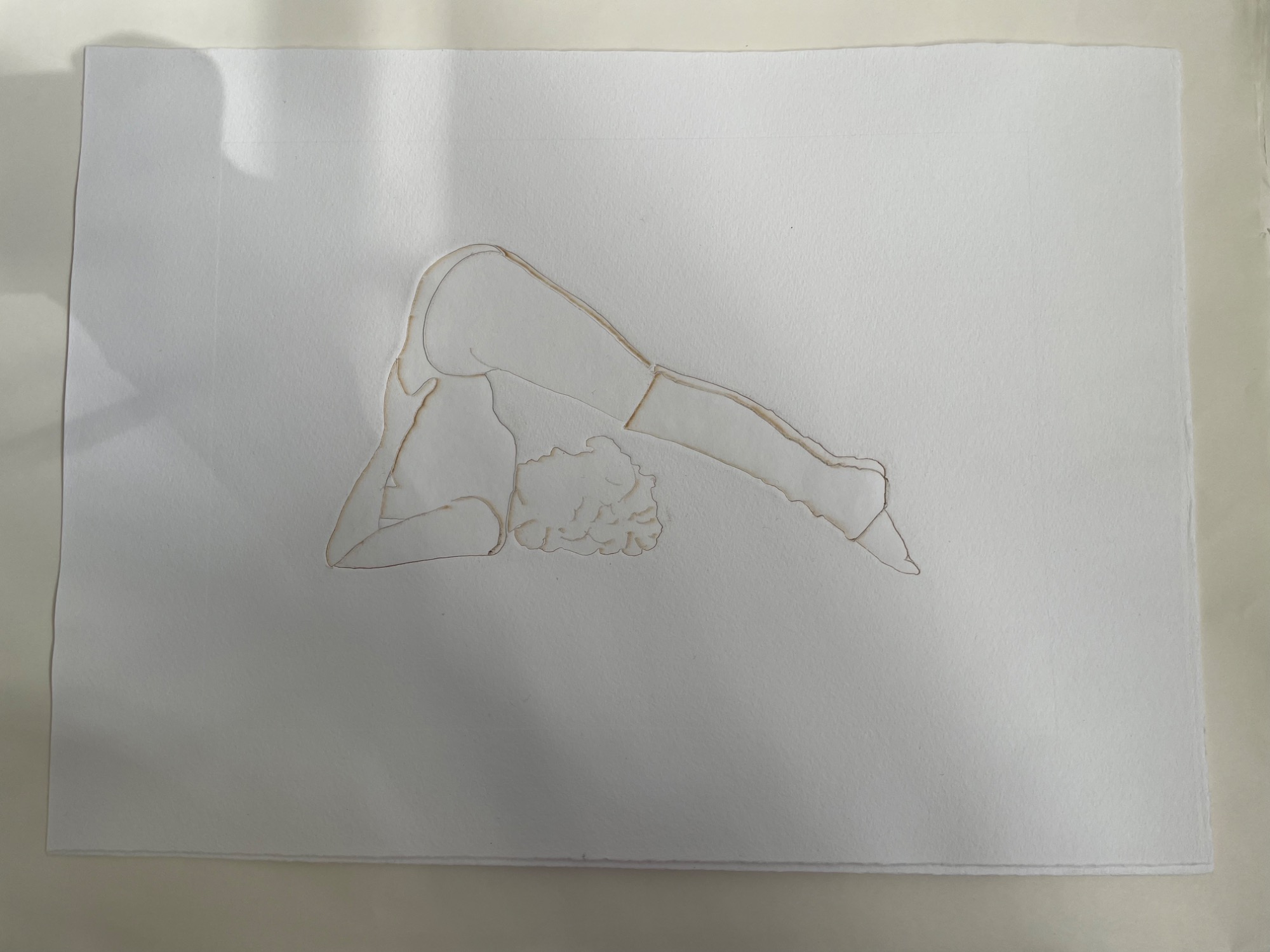
Pop culture helped shape the image of the “democratic woman.” Jane Fonda’s workout videos turned strength into aesthetic discipline, replacing her earlier political activism with an image of conformity. Princess Diana was admired for her grace, punished for self-expression—visible, but unprotected; feminine, but not free.
America was founded on rebellion, exclusion, and conflict. Its democracy endured (to name but a few) the assassinations of Lincoln, Kennedy, Malcolm X, and Martin Luther King Jr.—while often sidelining their calls for justice and equality.
“Conformity Jane” and “Calamity Di” became more than cultural icons—they reflected the tensions between visibility and power.
Democracy allows for inclusion, but power remains unevenly distributed. Women are invited in—but often only within defined roles.
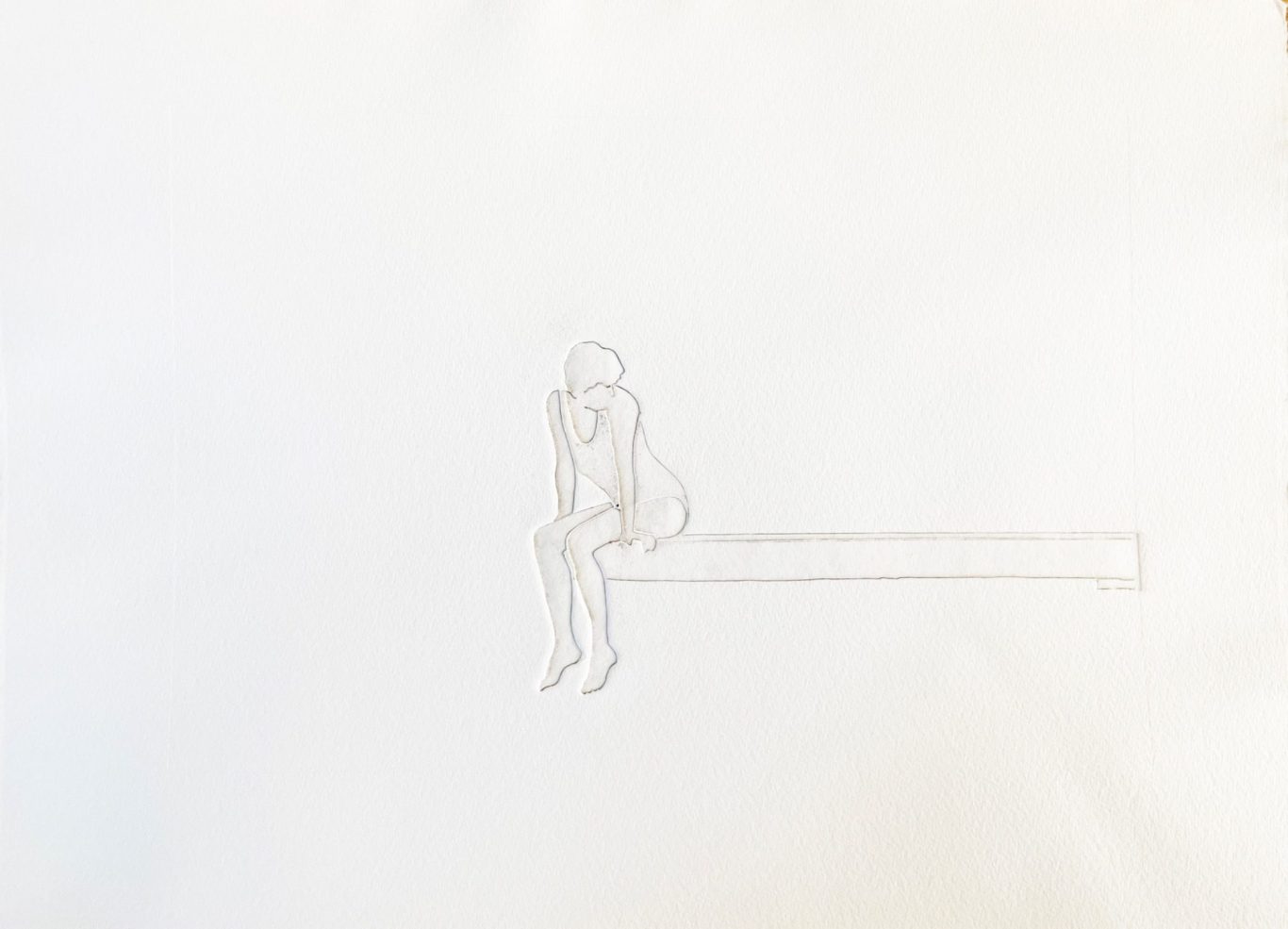
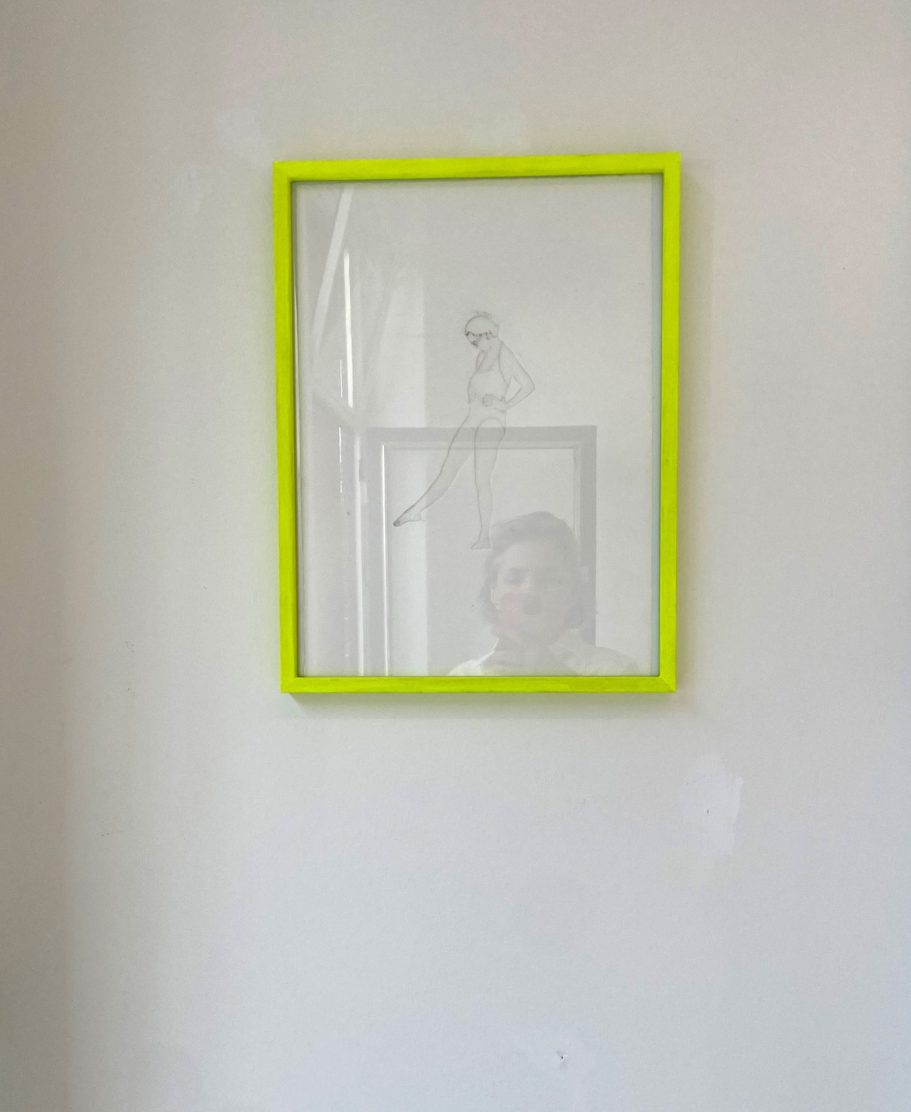
Calamity Di
Embossing on Buetten Paper
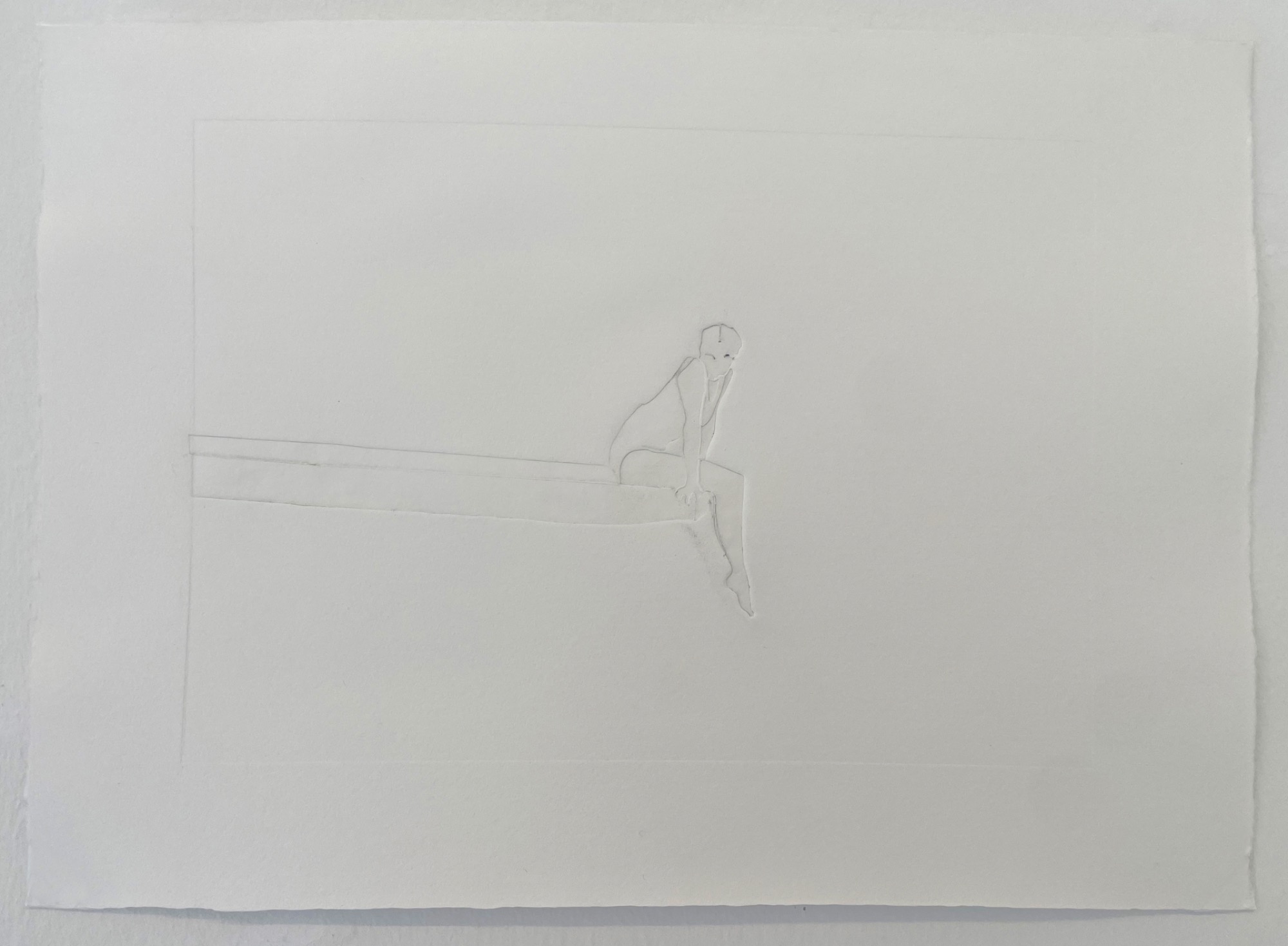
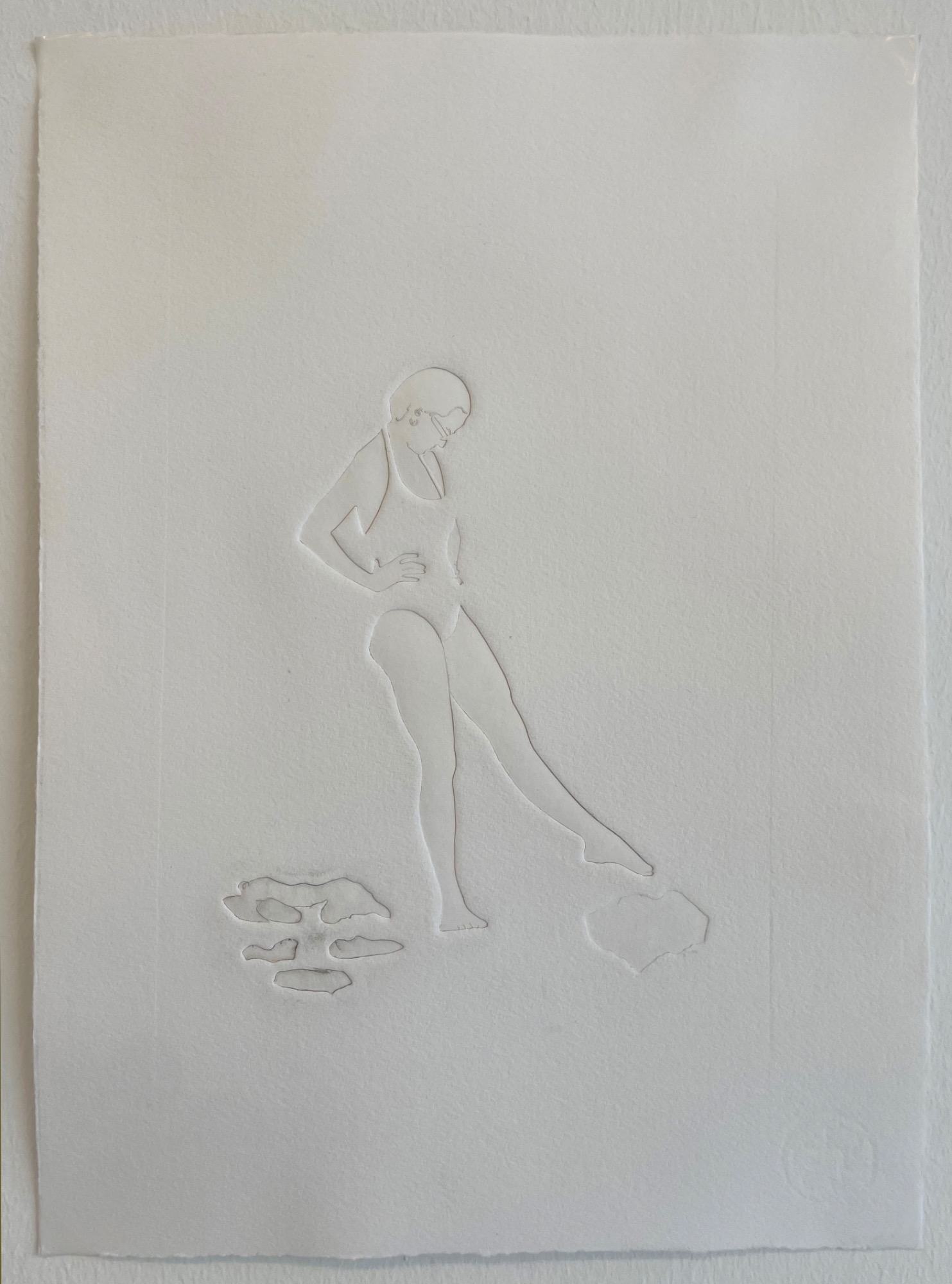
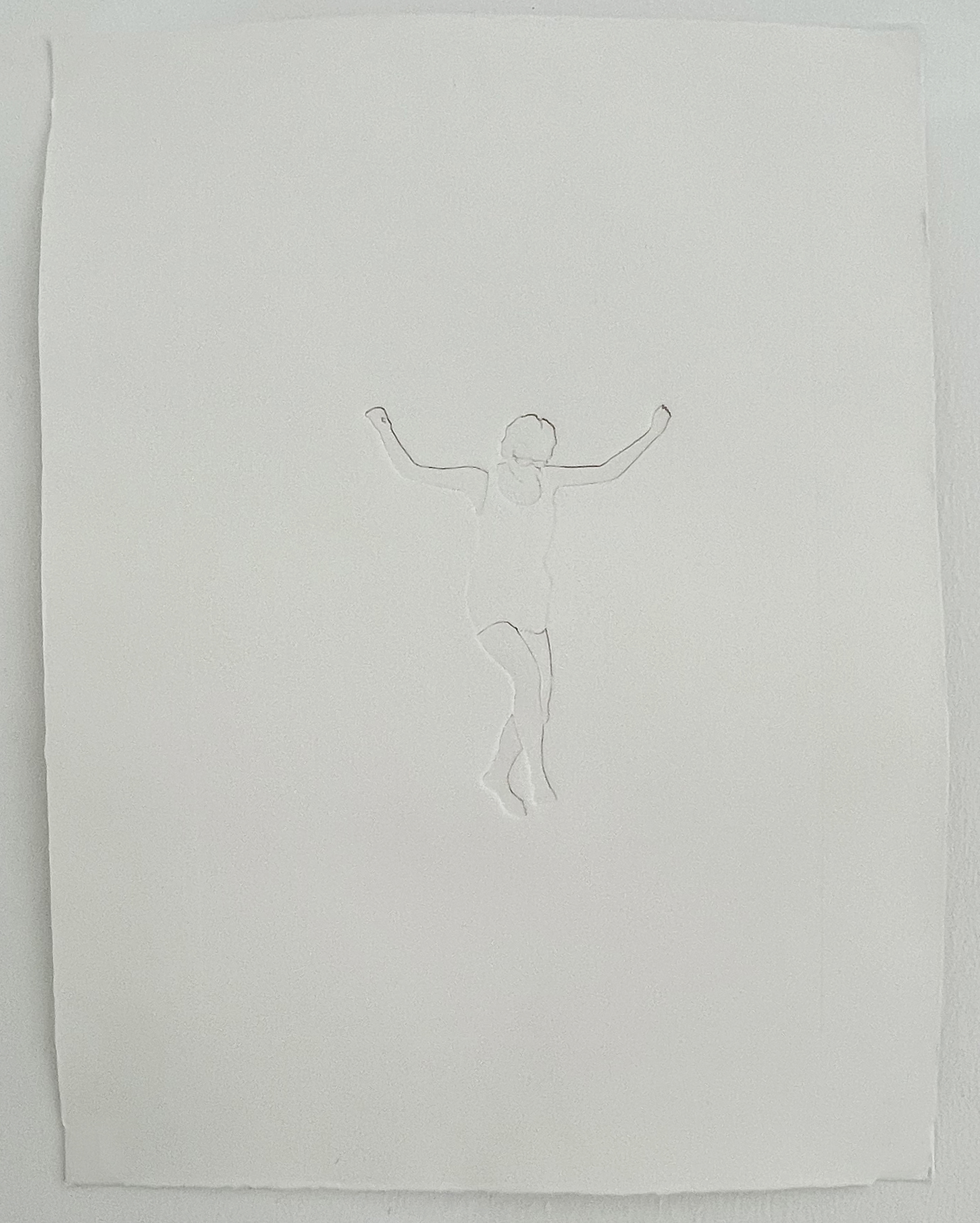
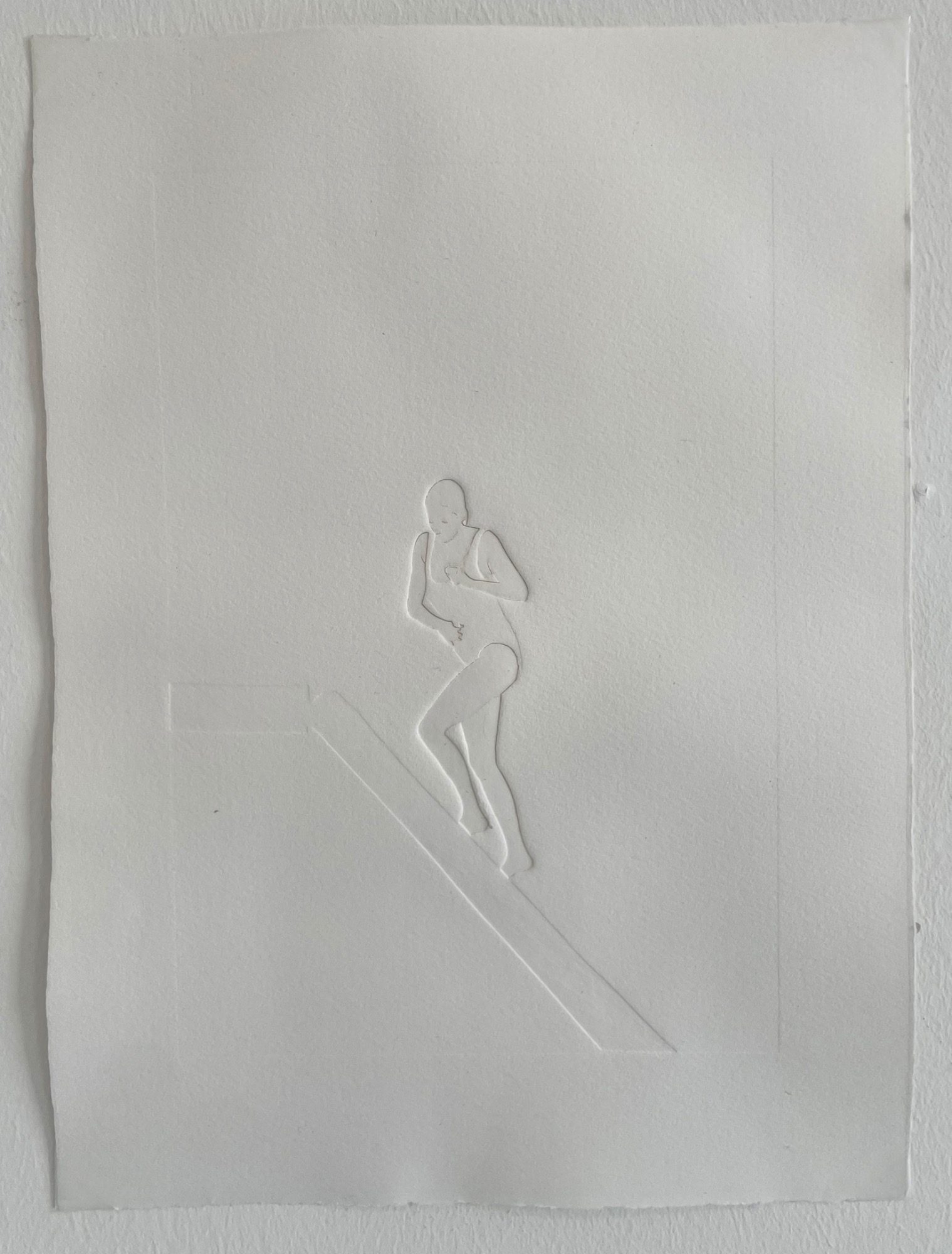
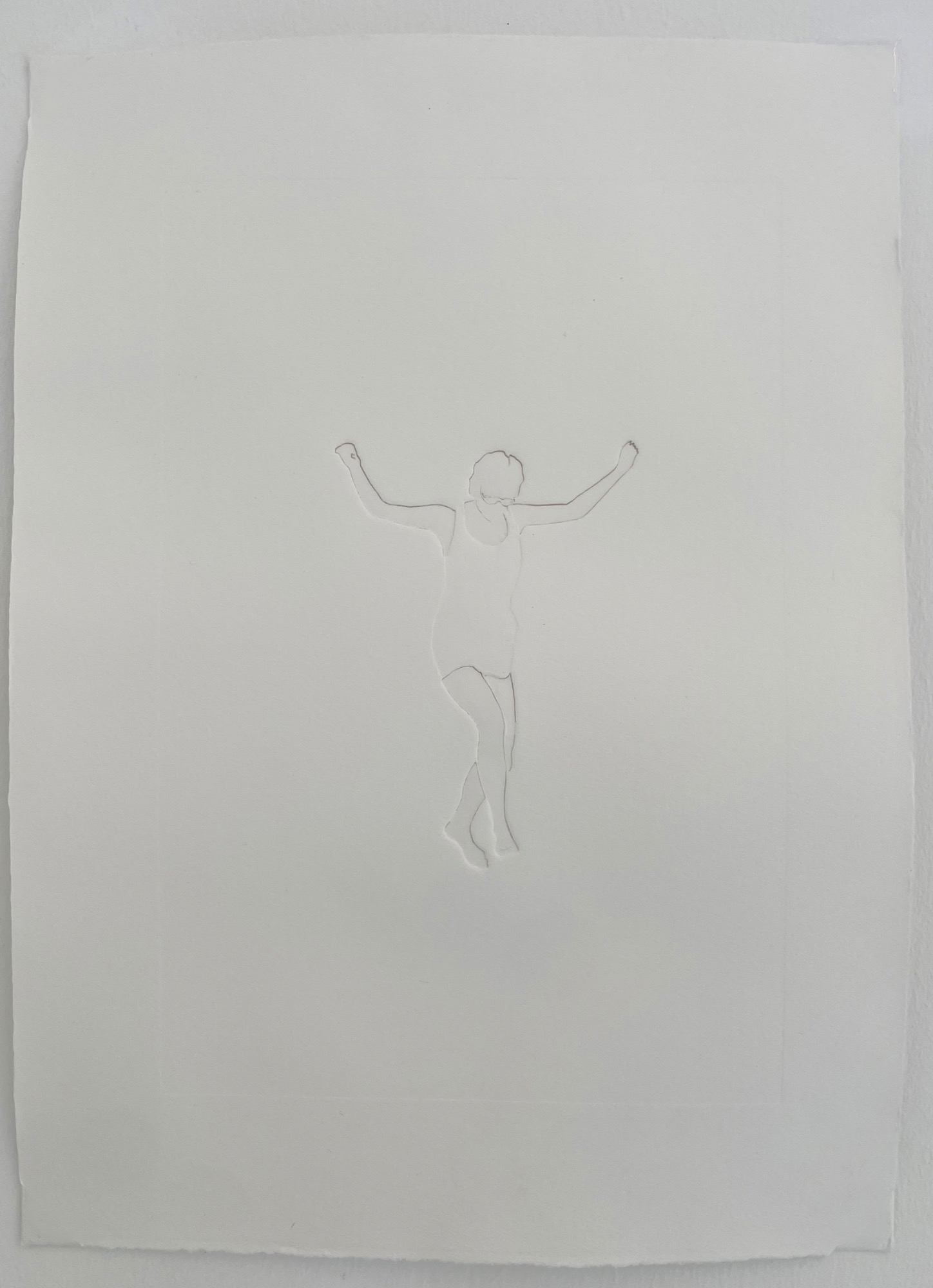
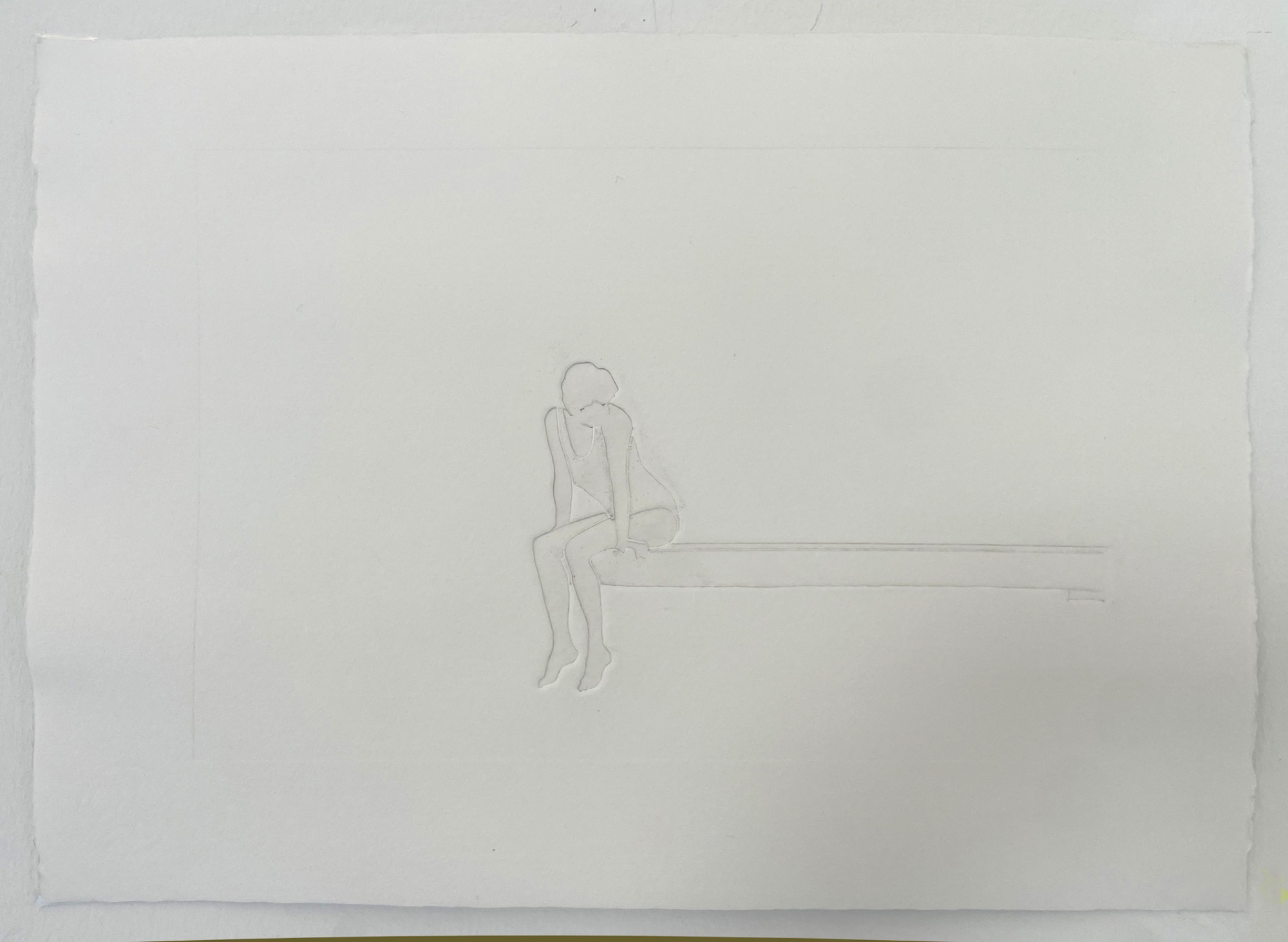
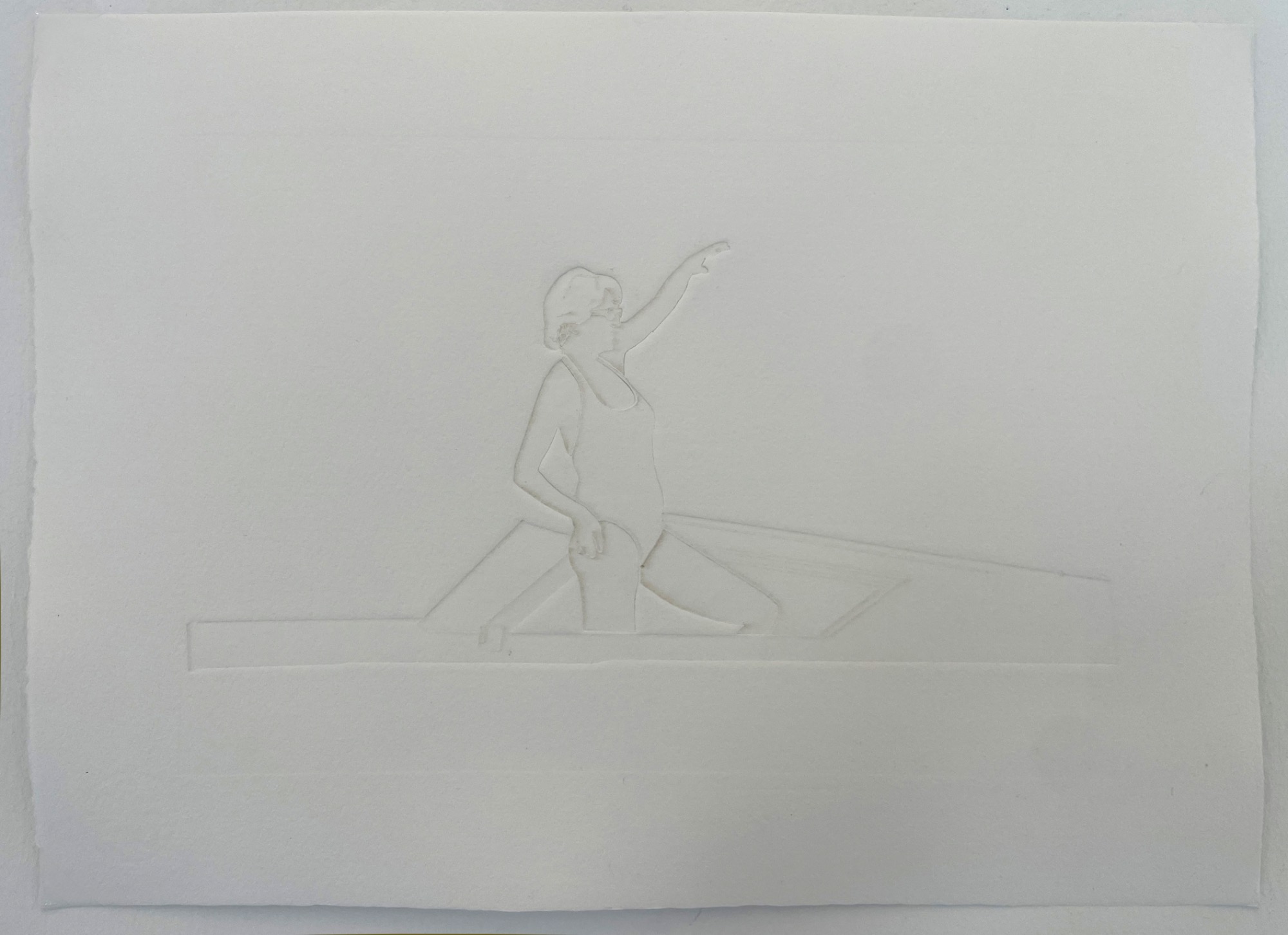
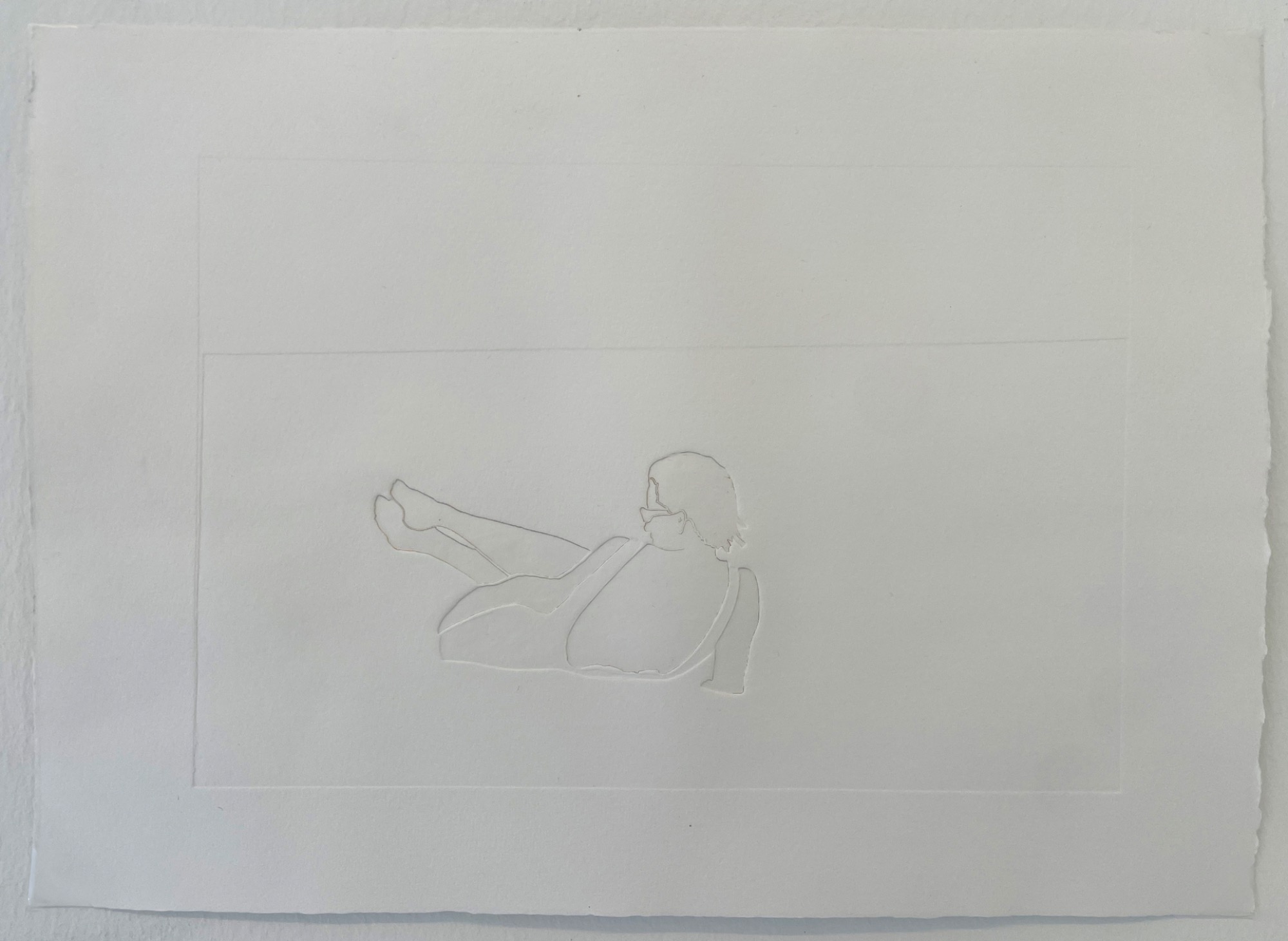
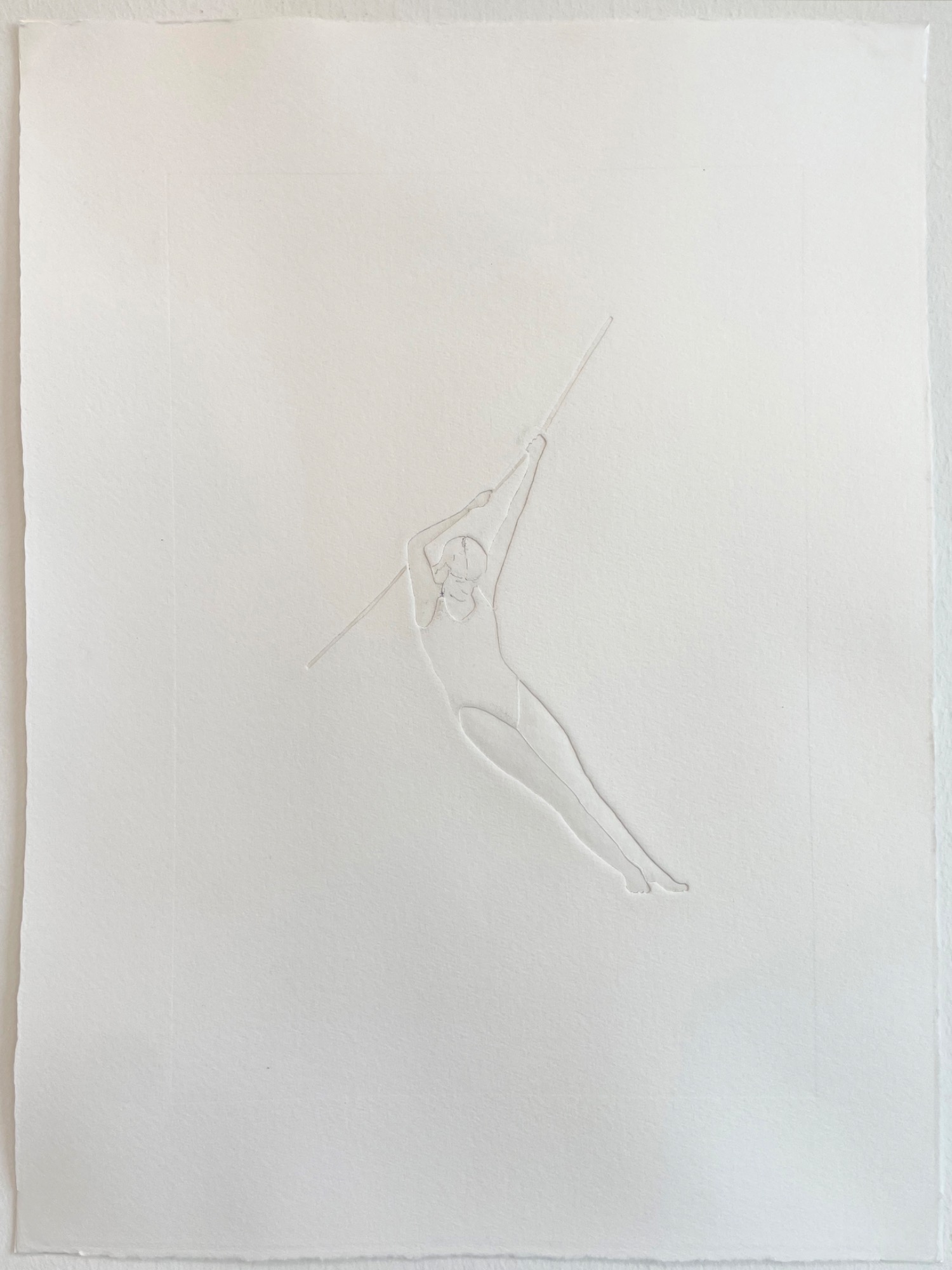
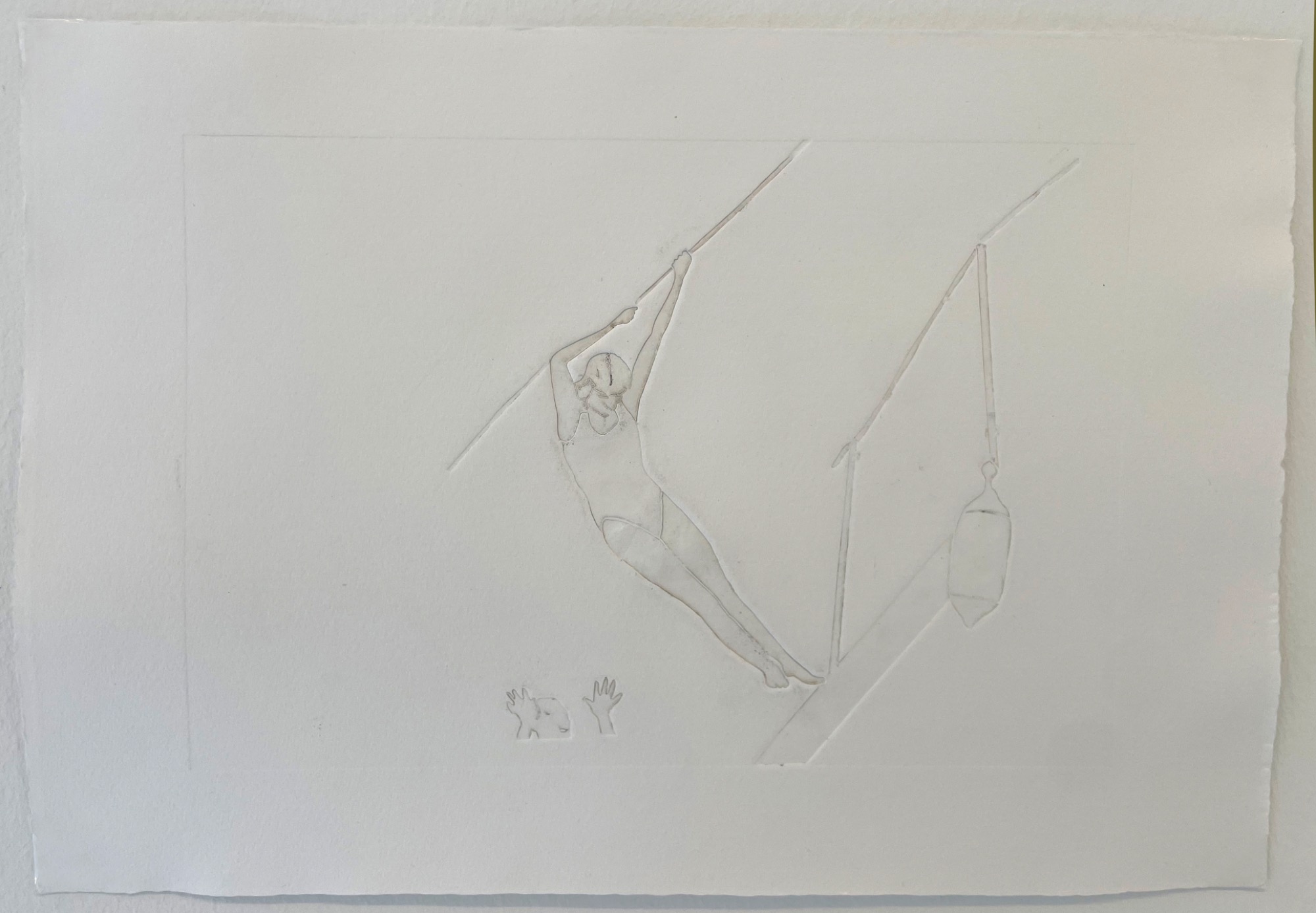
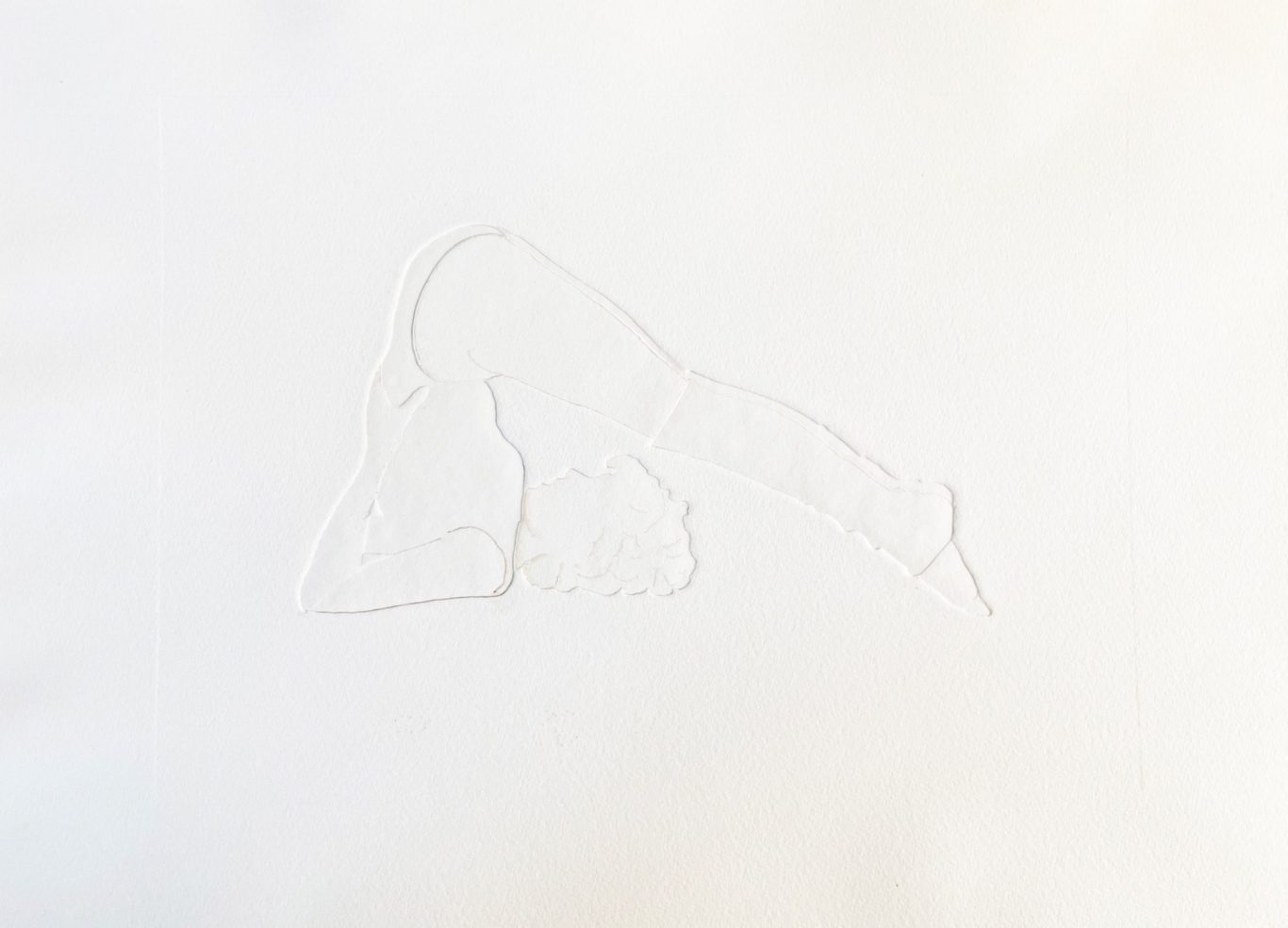
Conformity Jane
Embossing on Buetten Paper
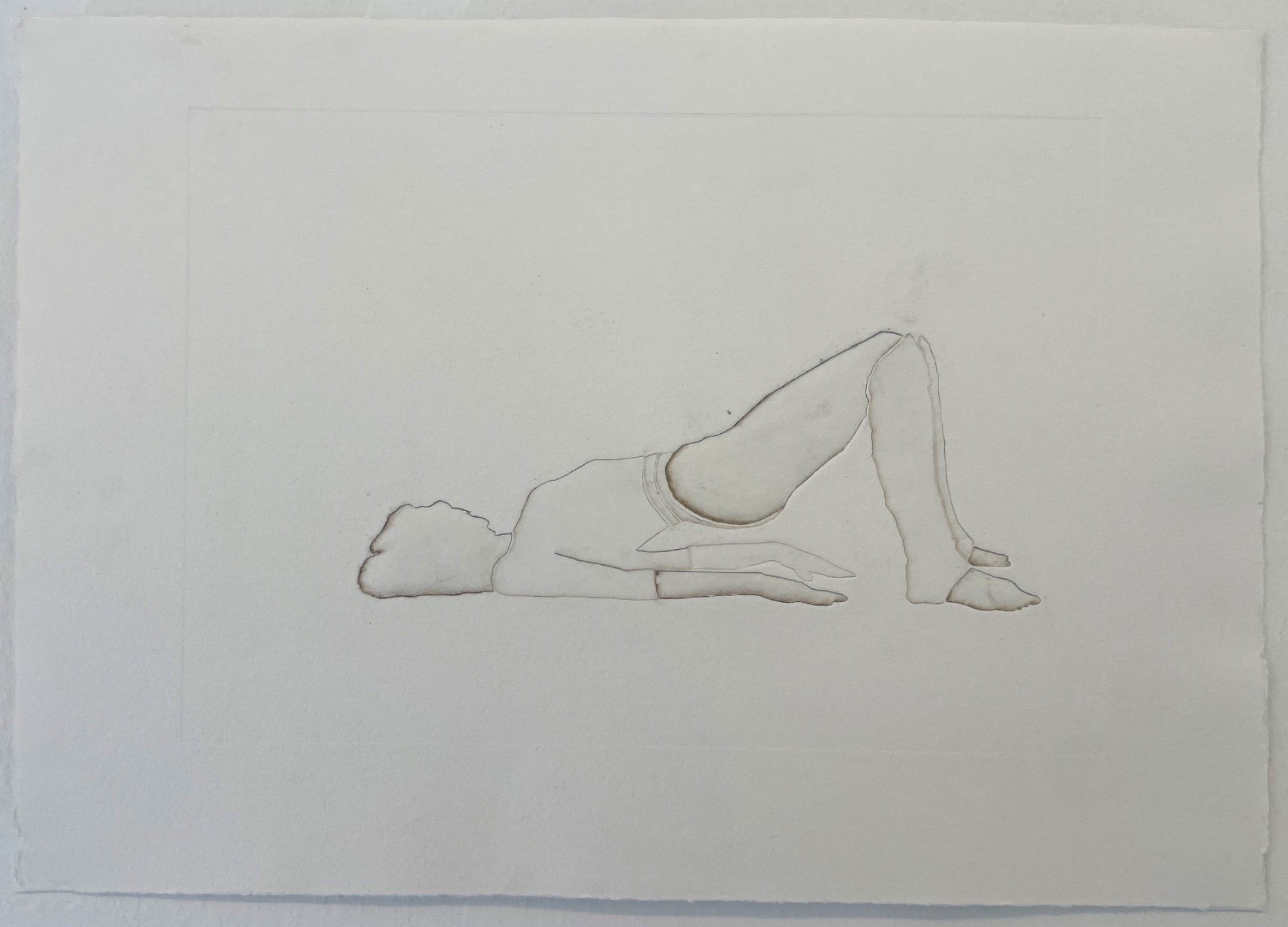
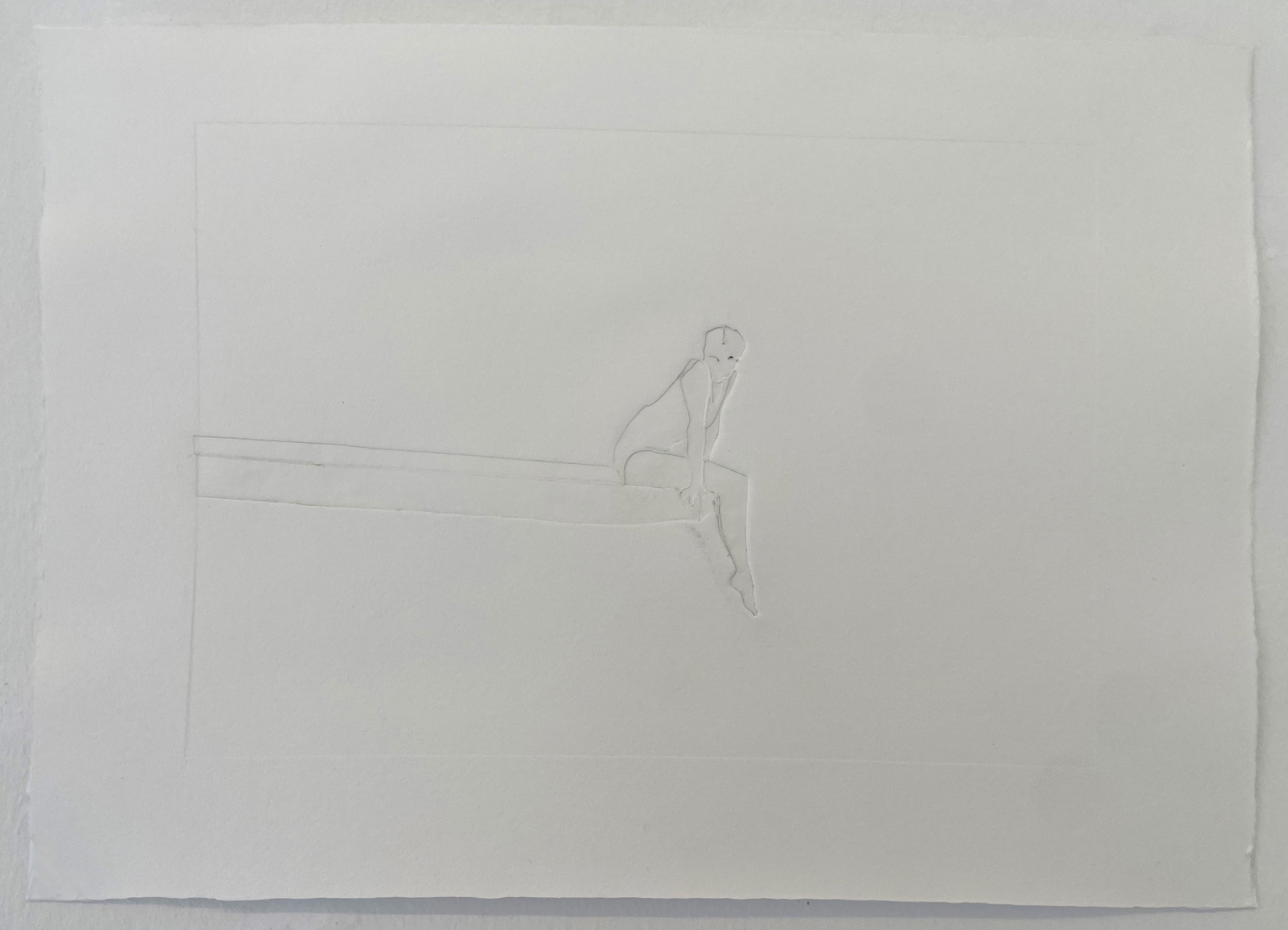
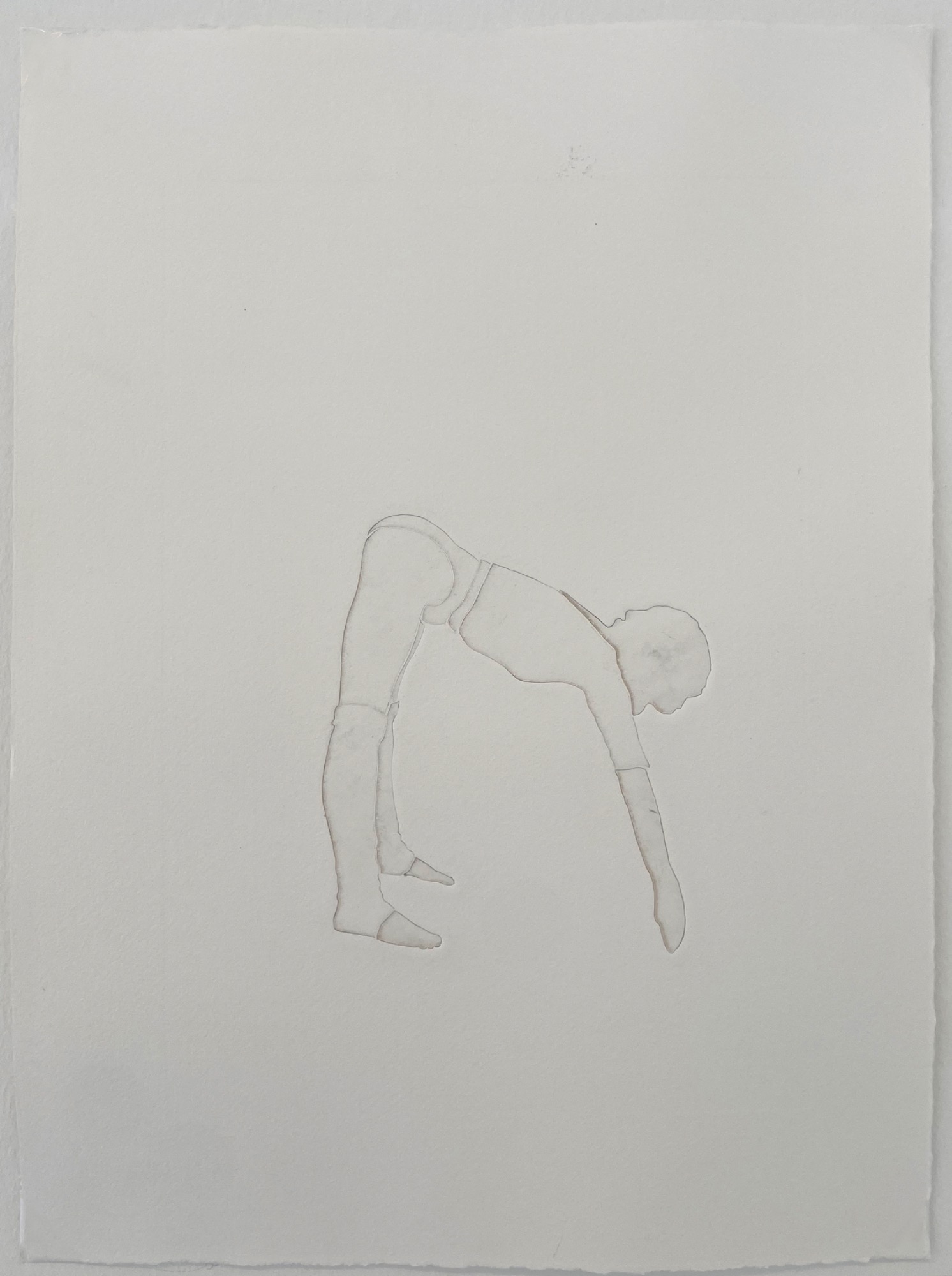
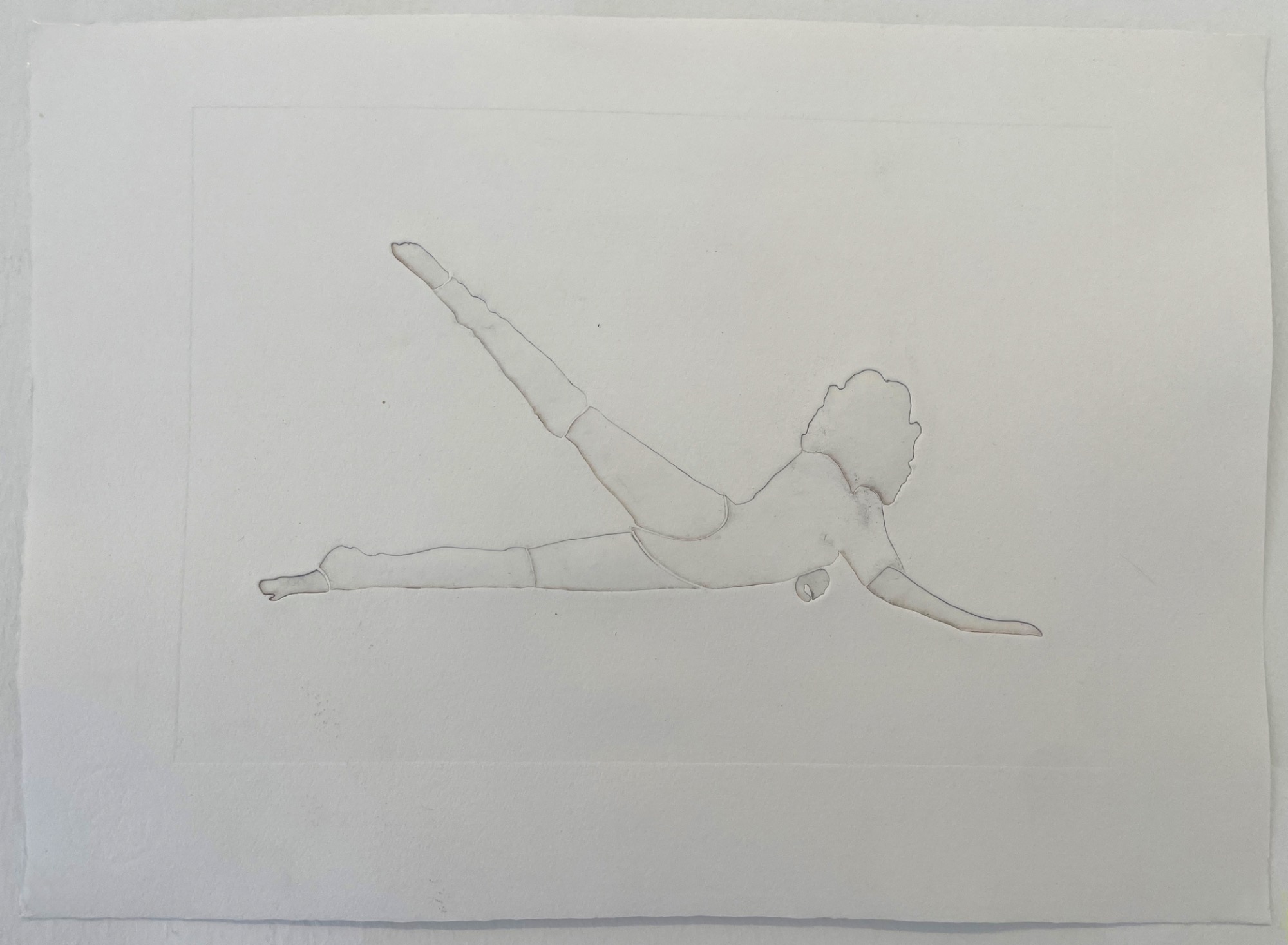
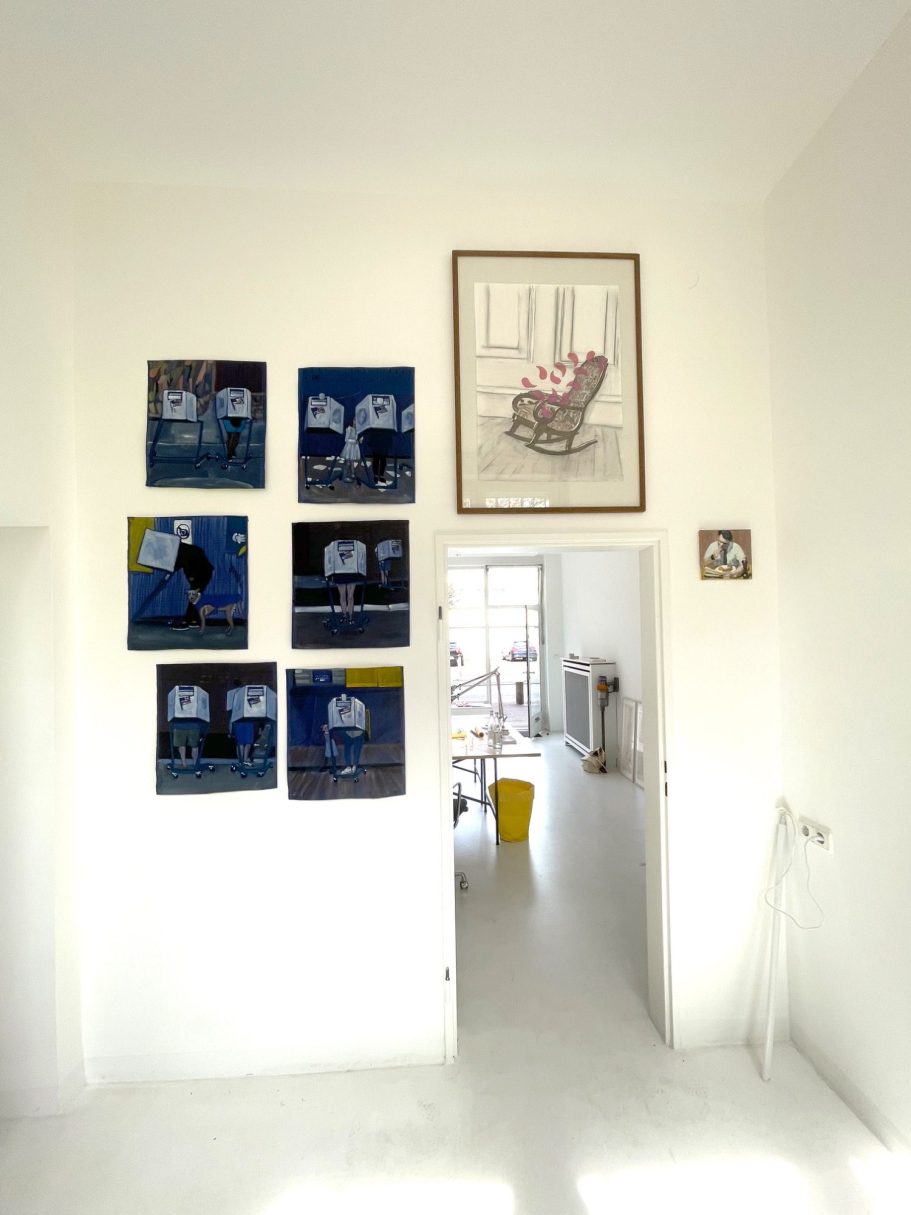
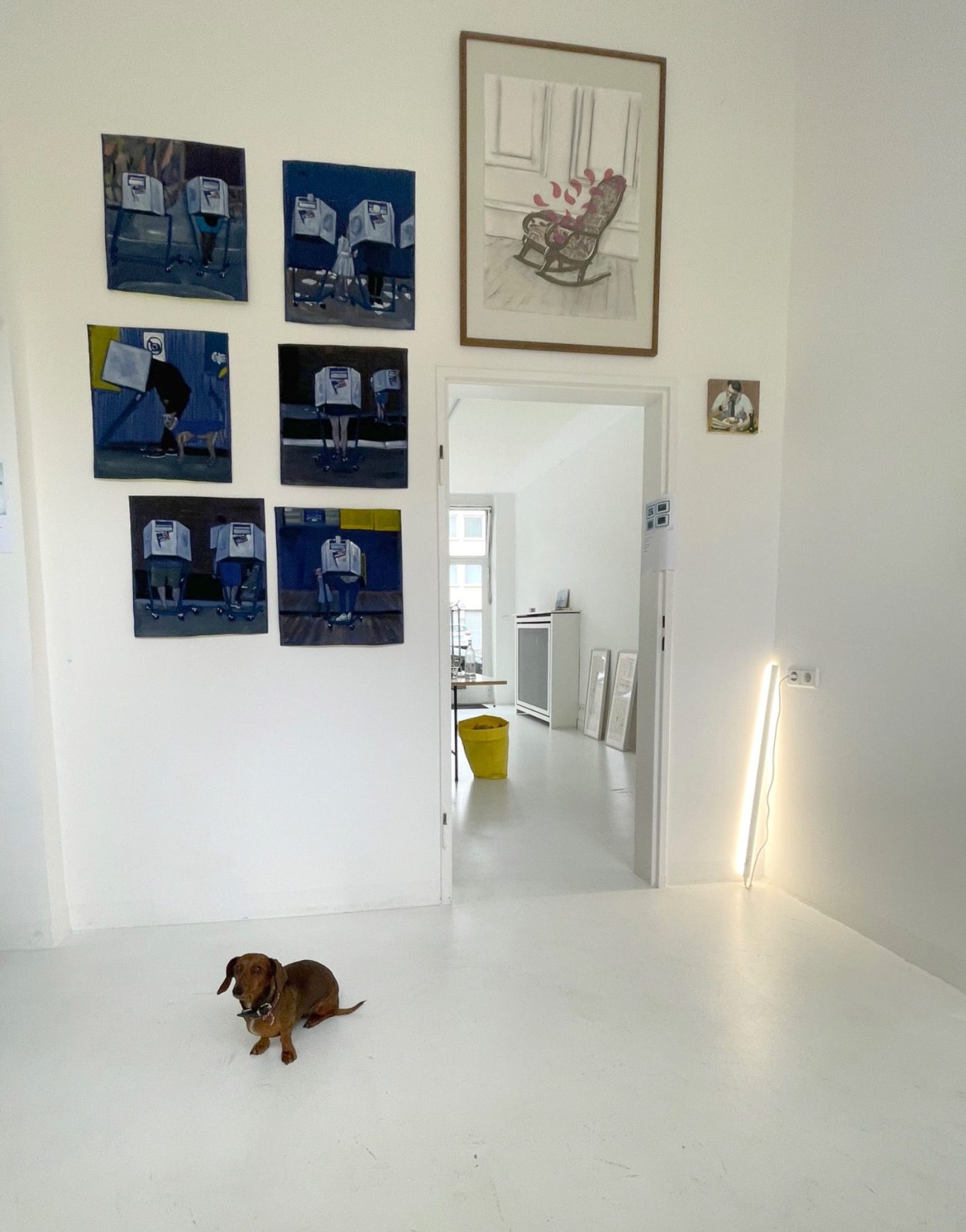
I Vote
oil and egg tempera on linen , 42 wide x 49–53 high
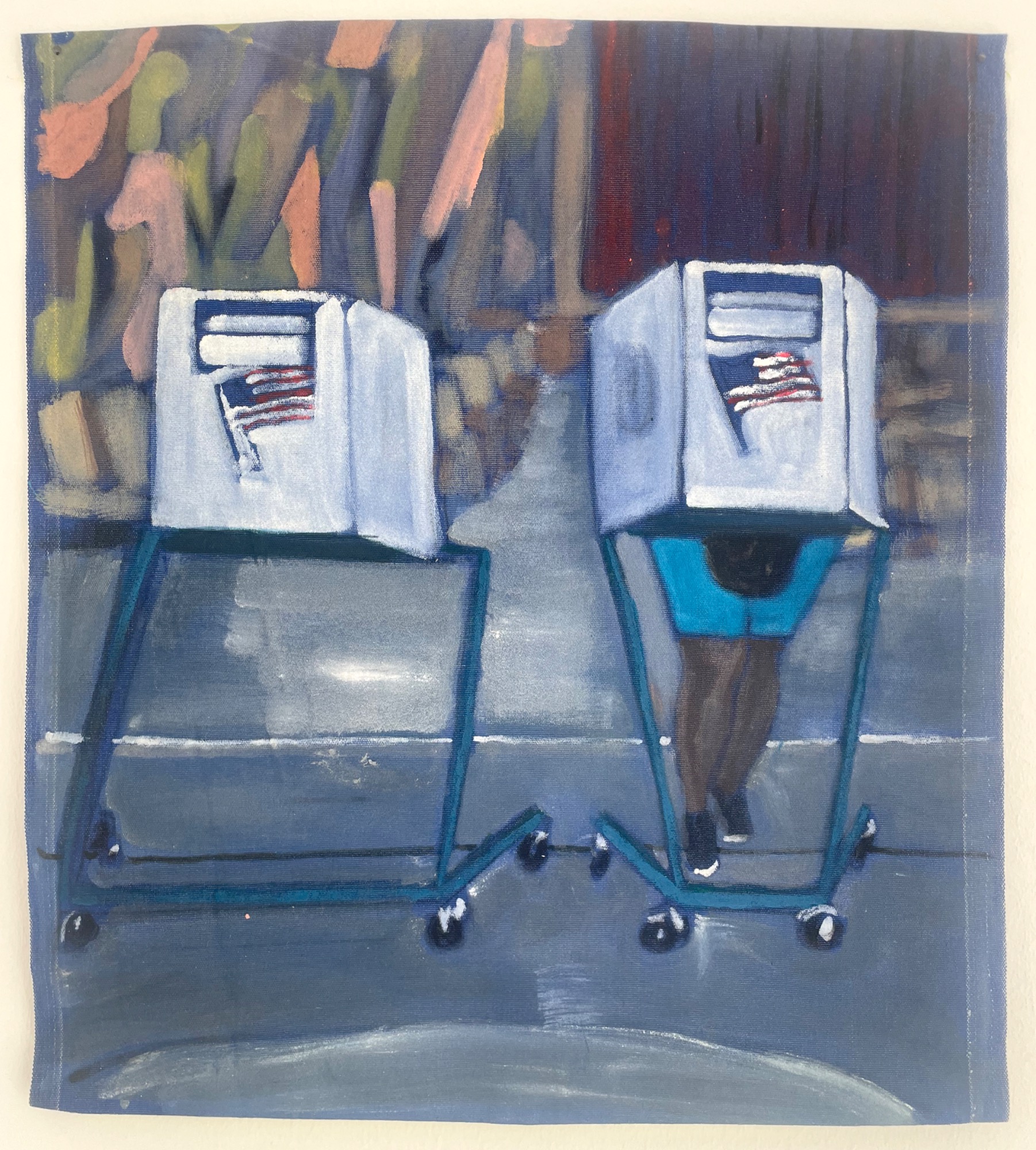
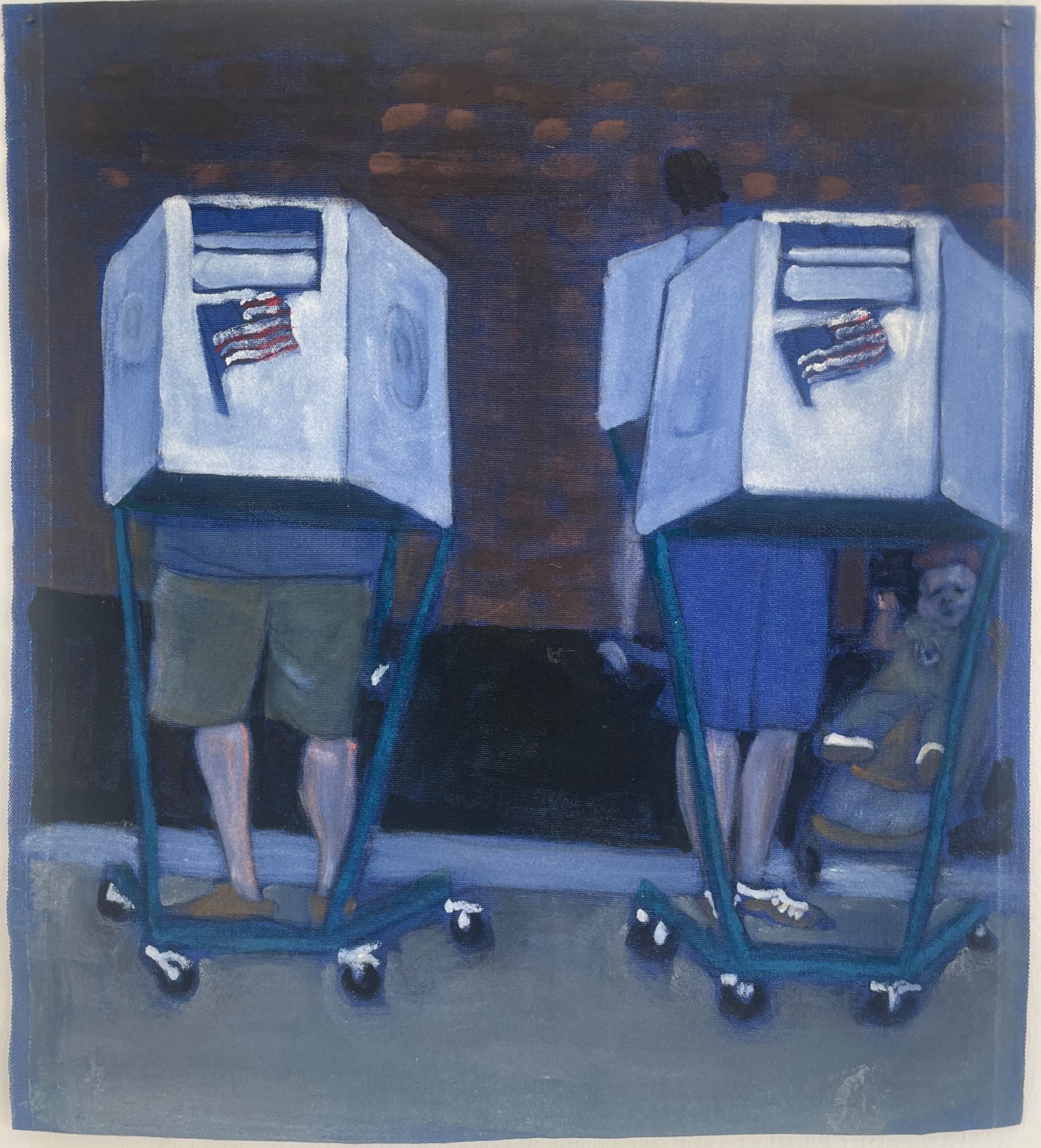
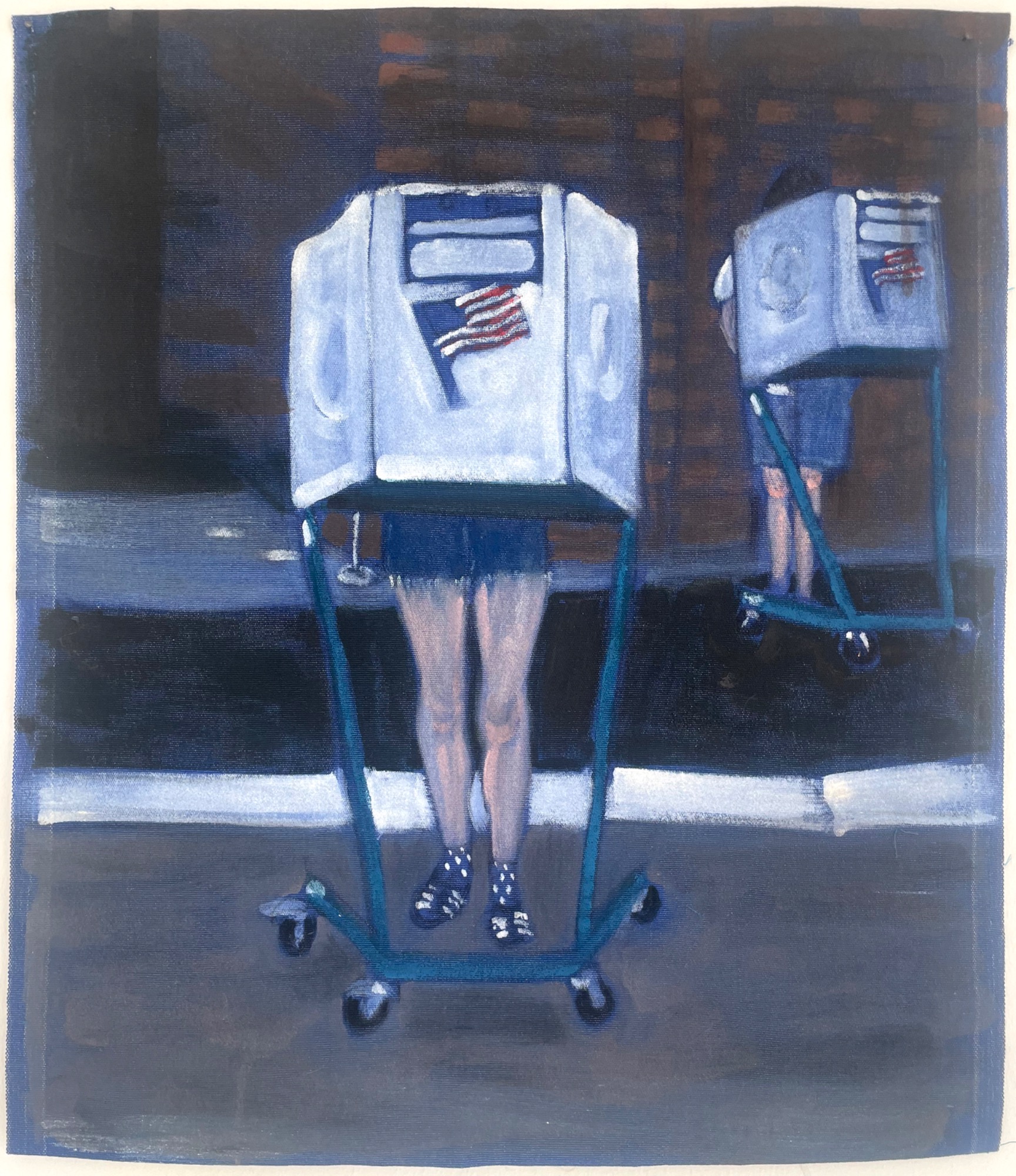
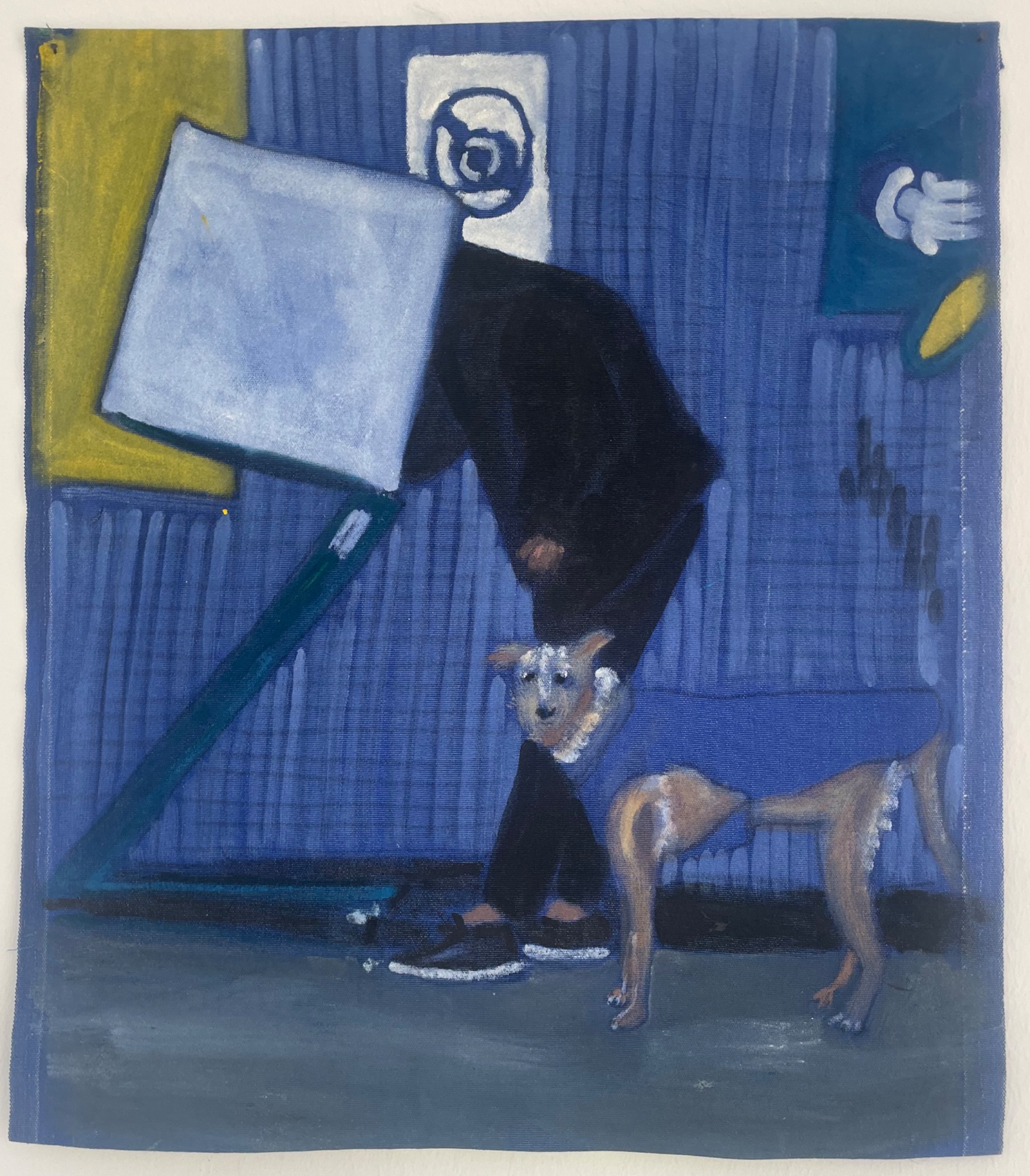
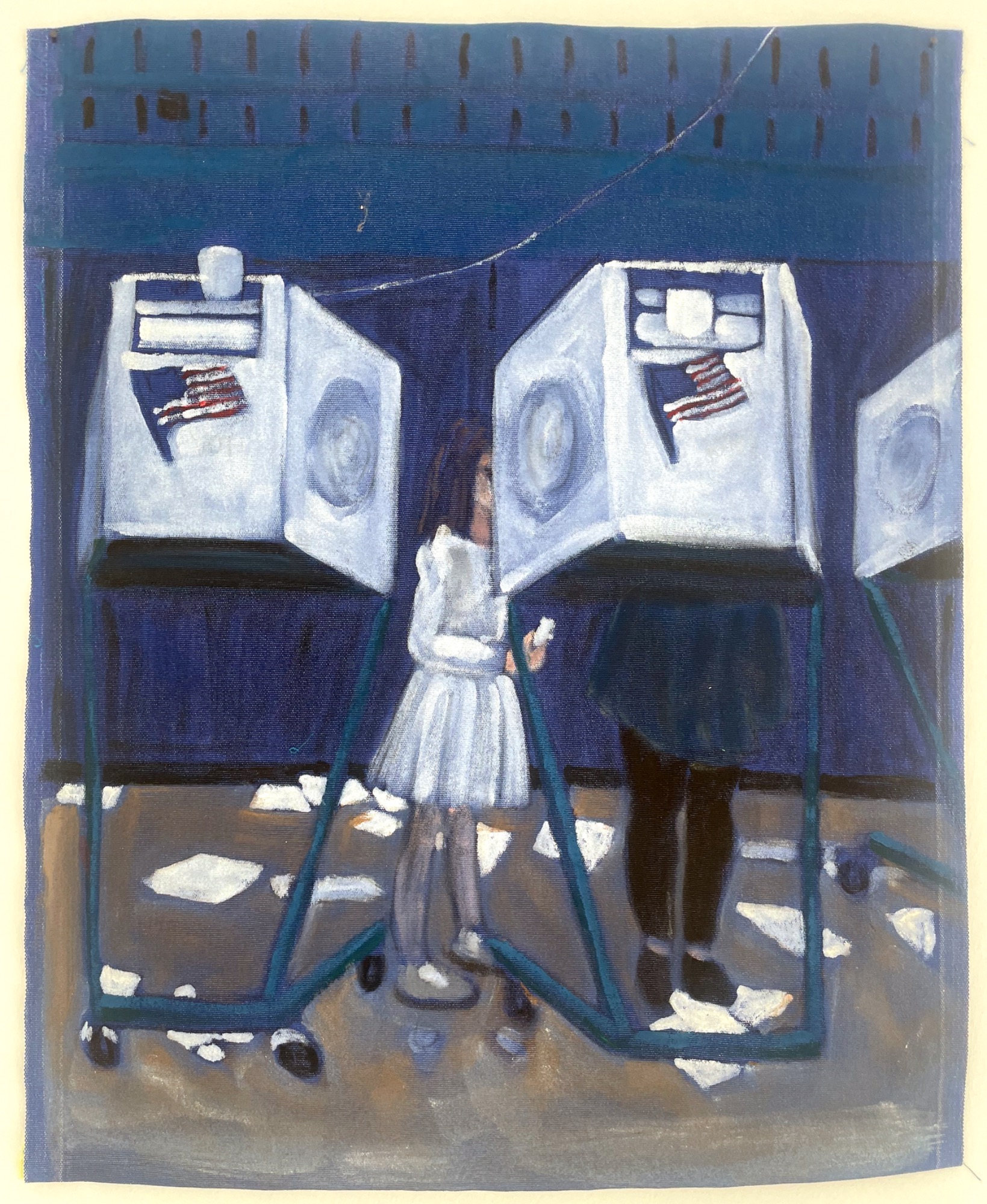
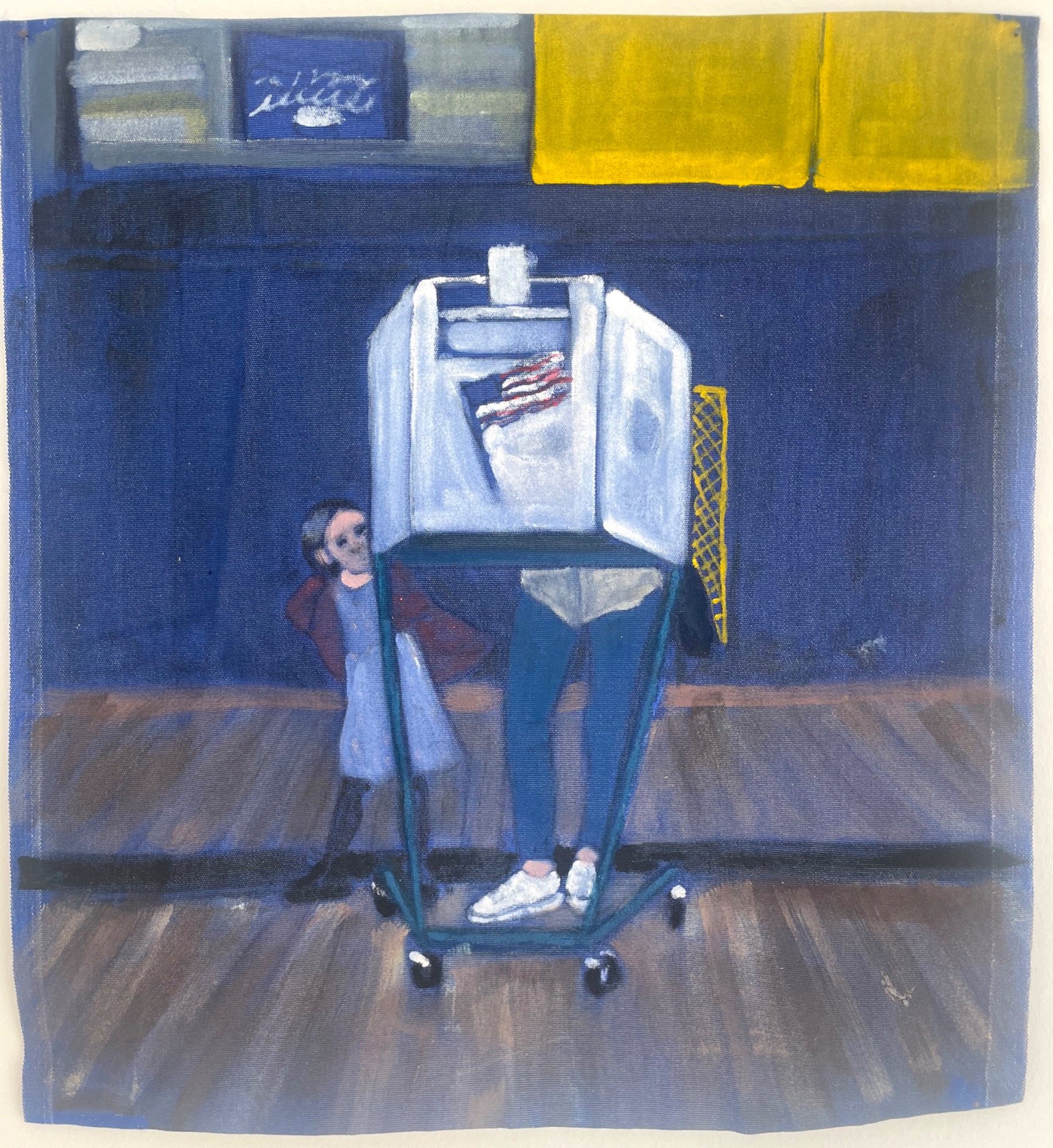
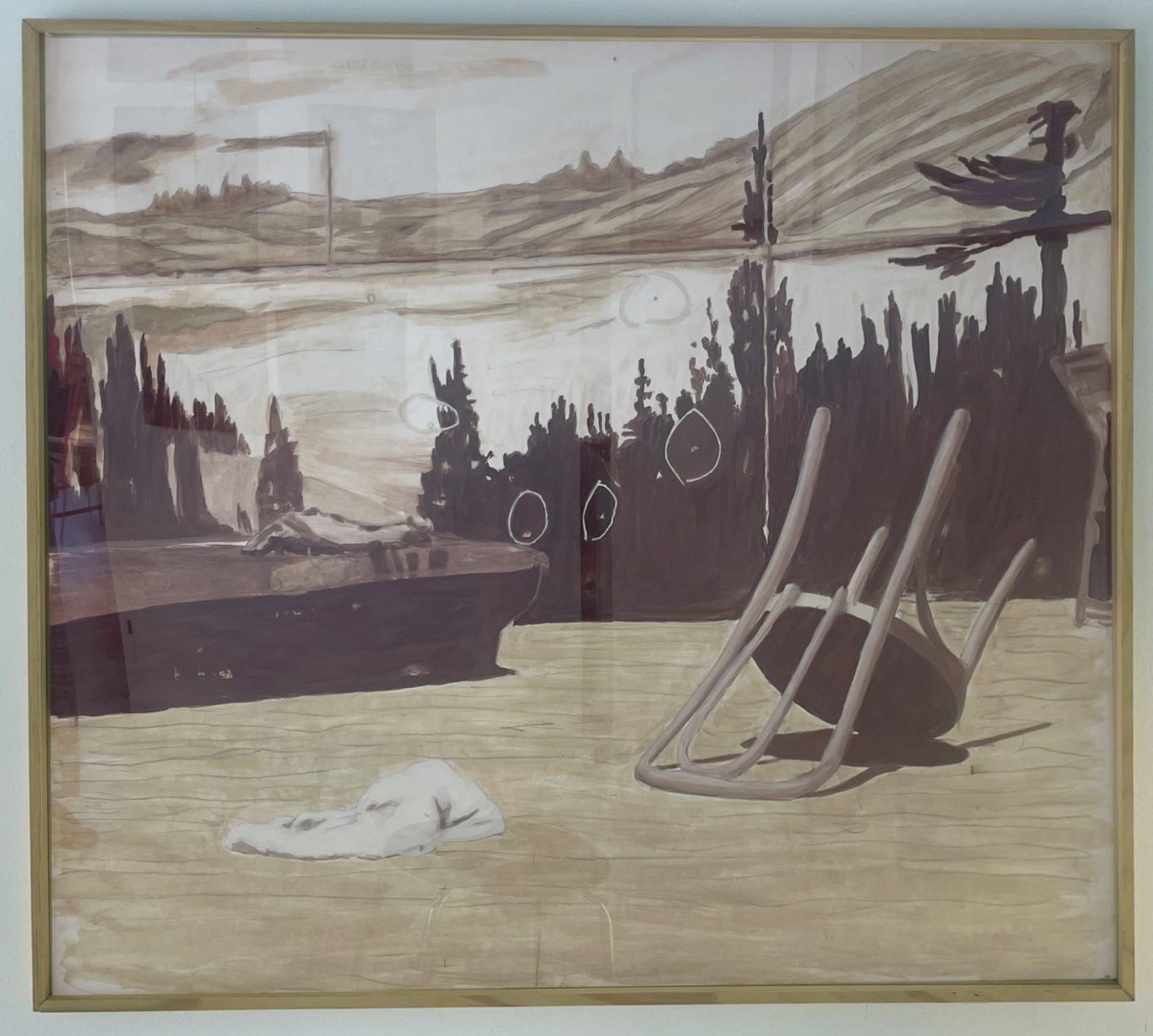
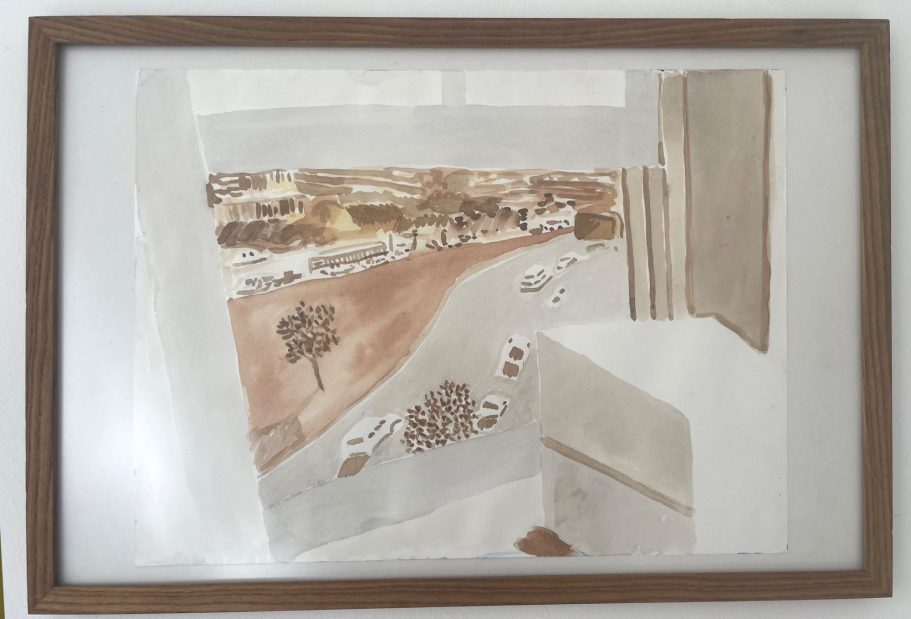
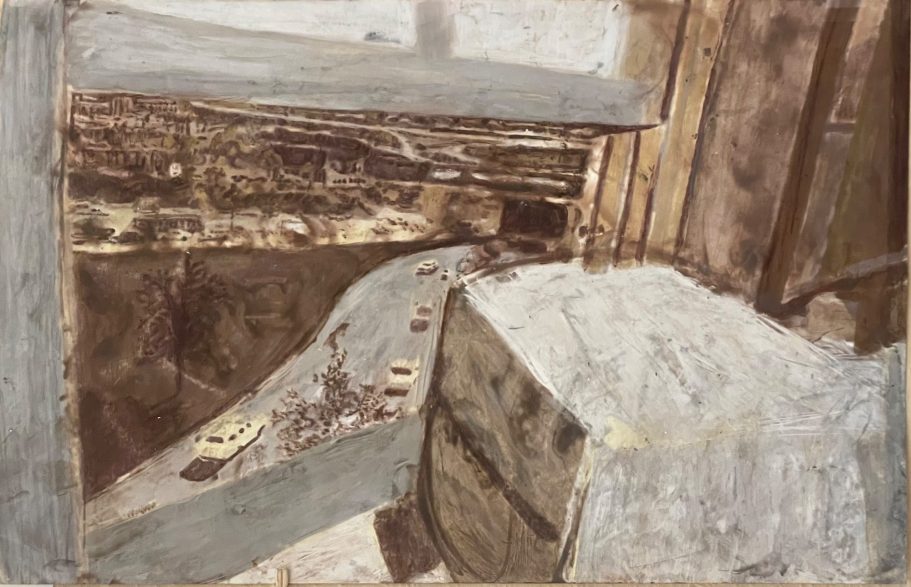
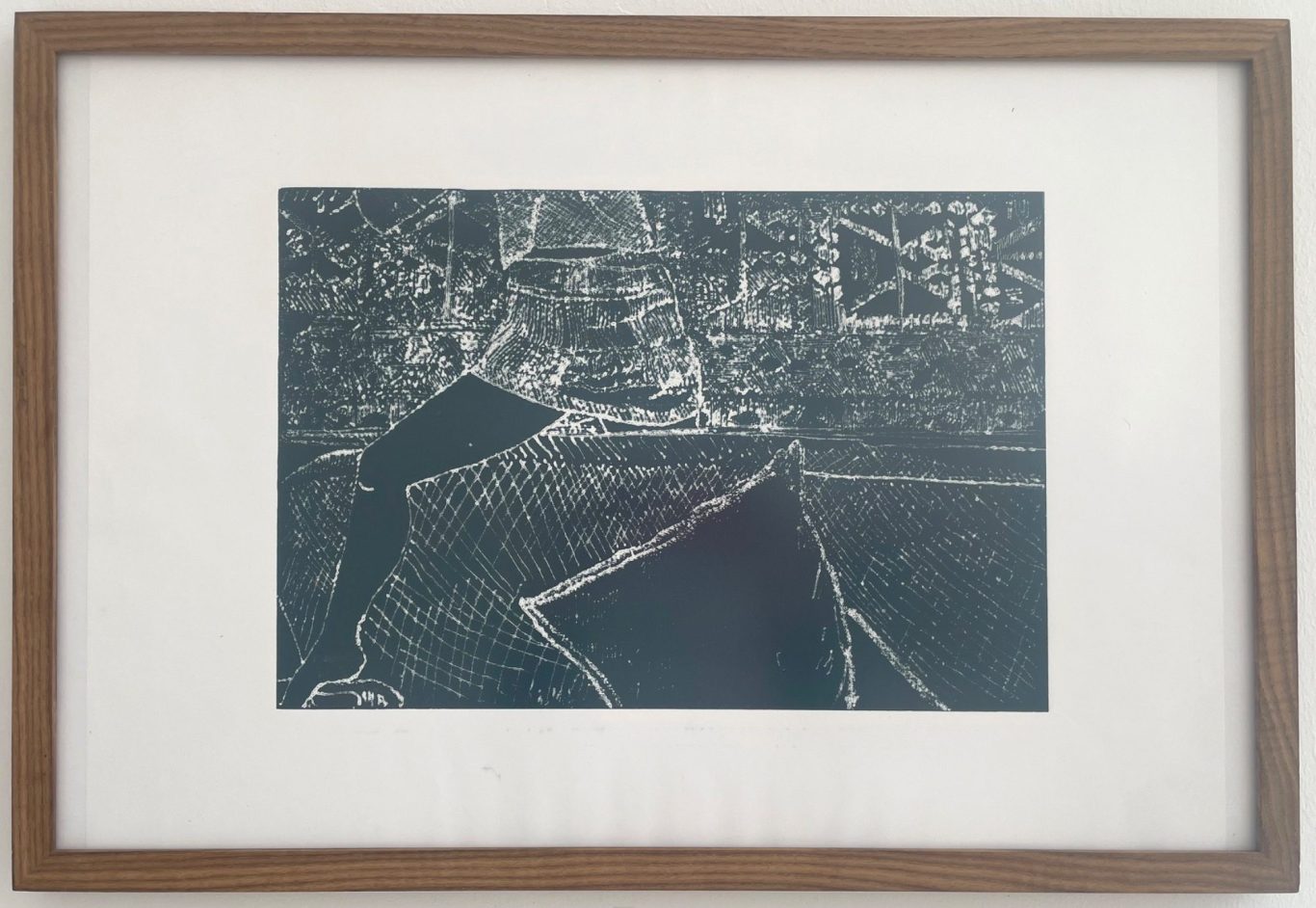
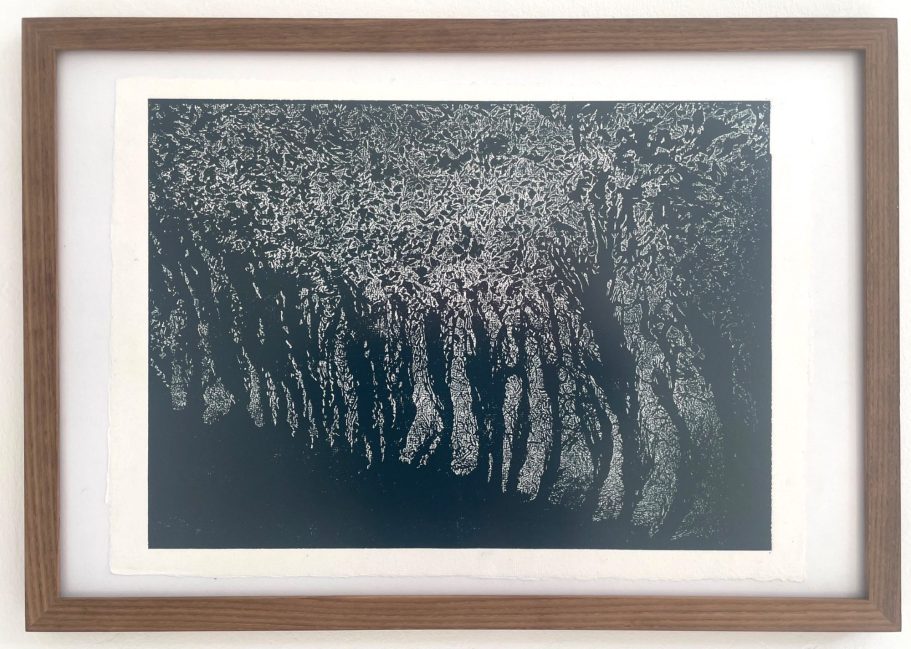
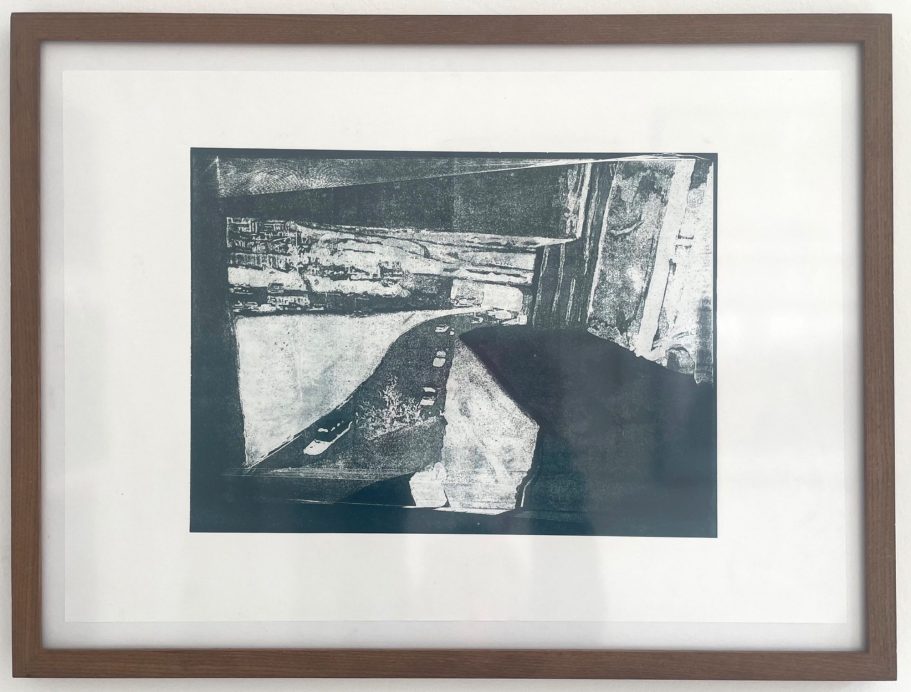
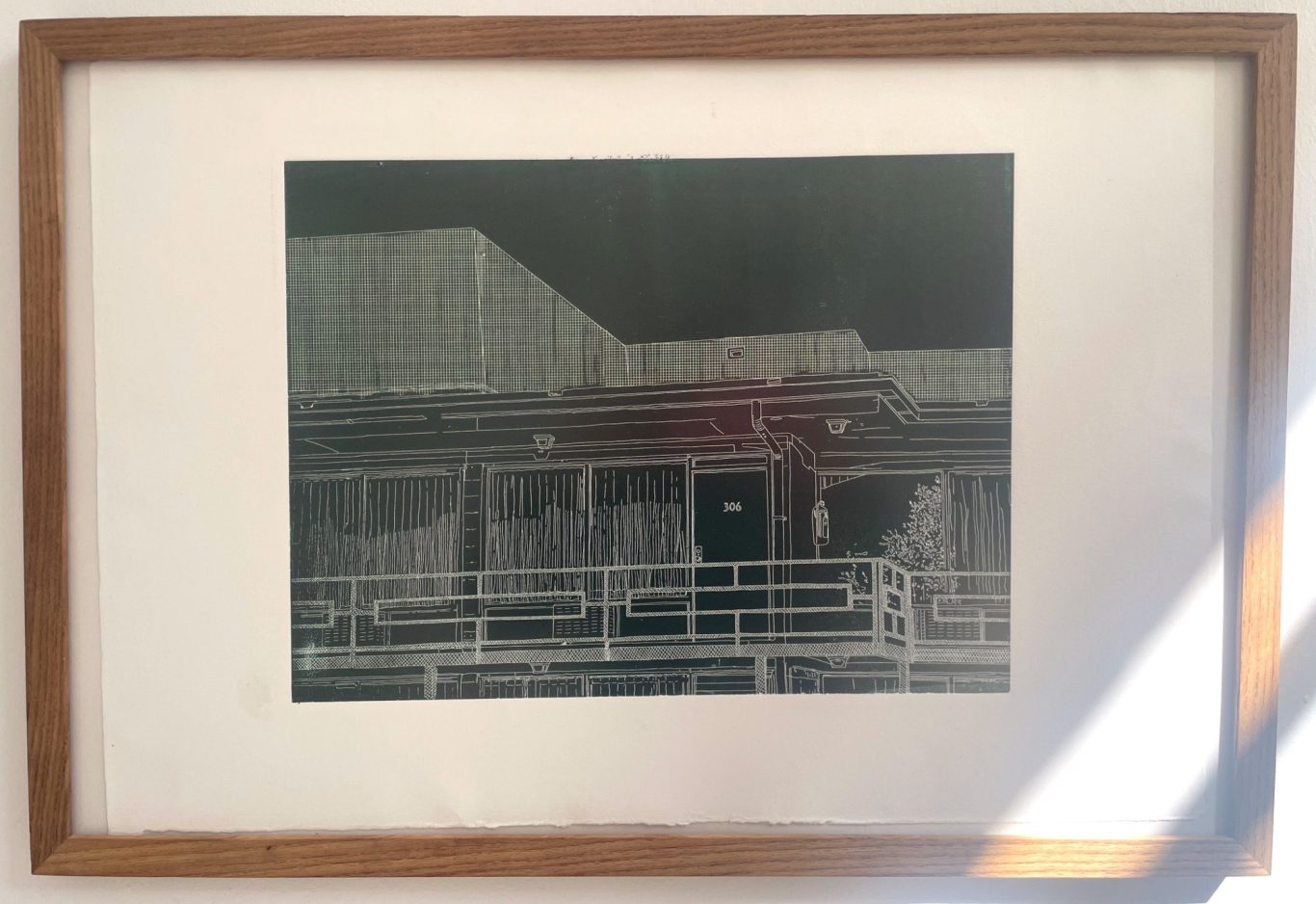
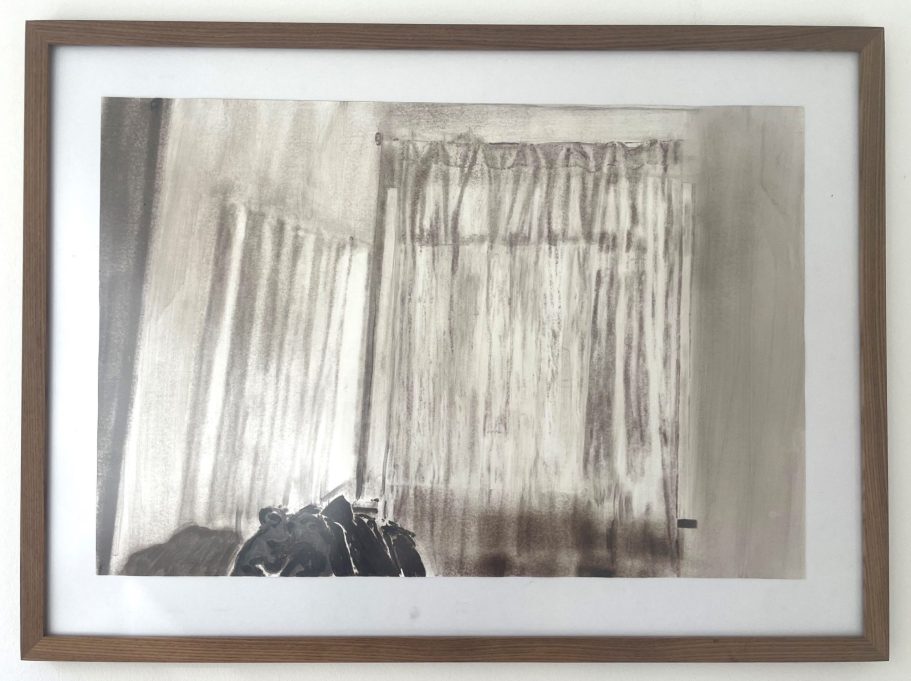
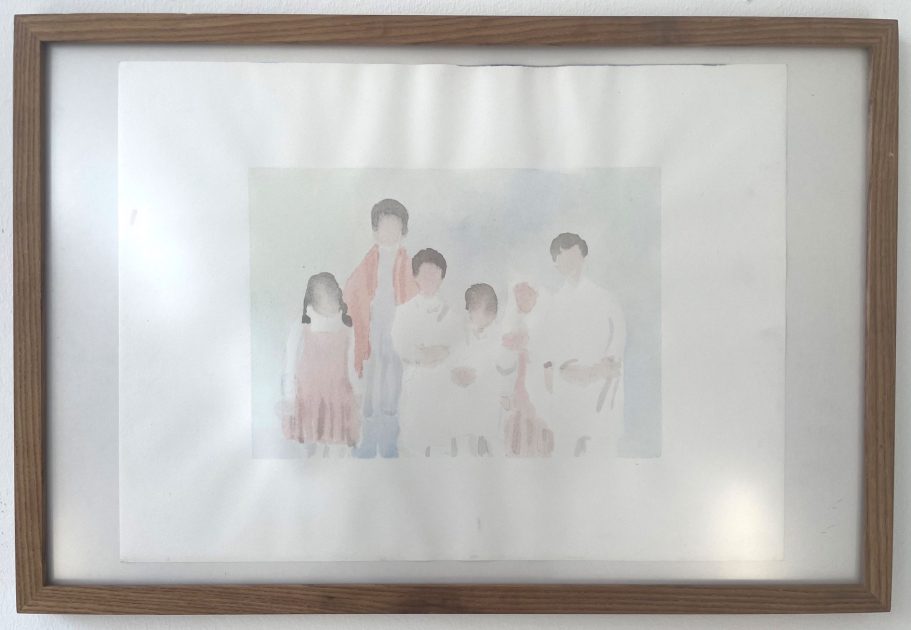
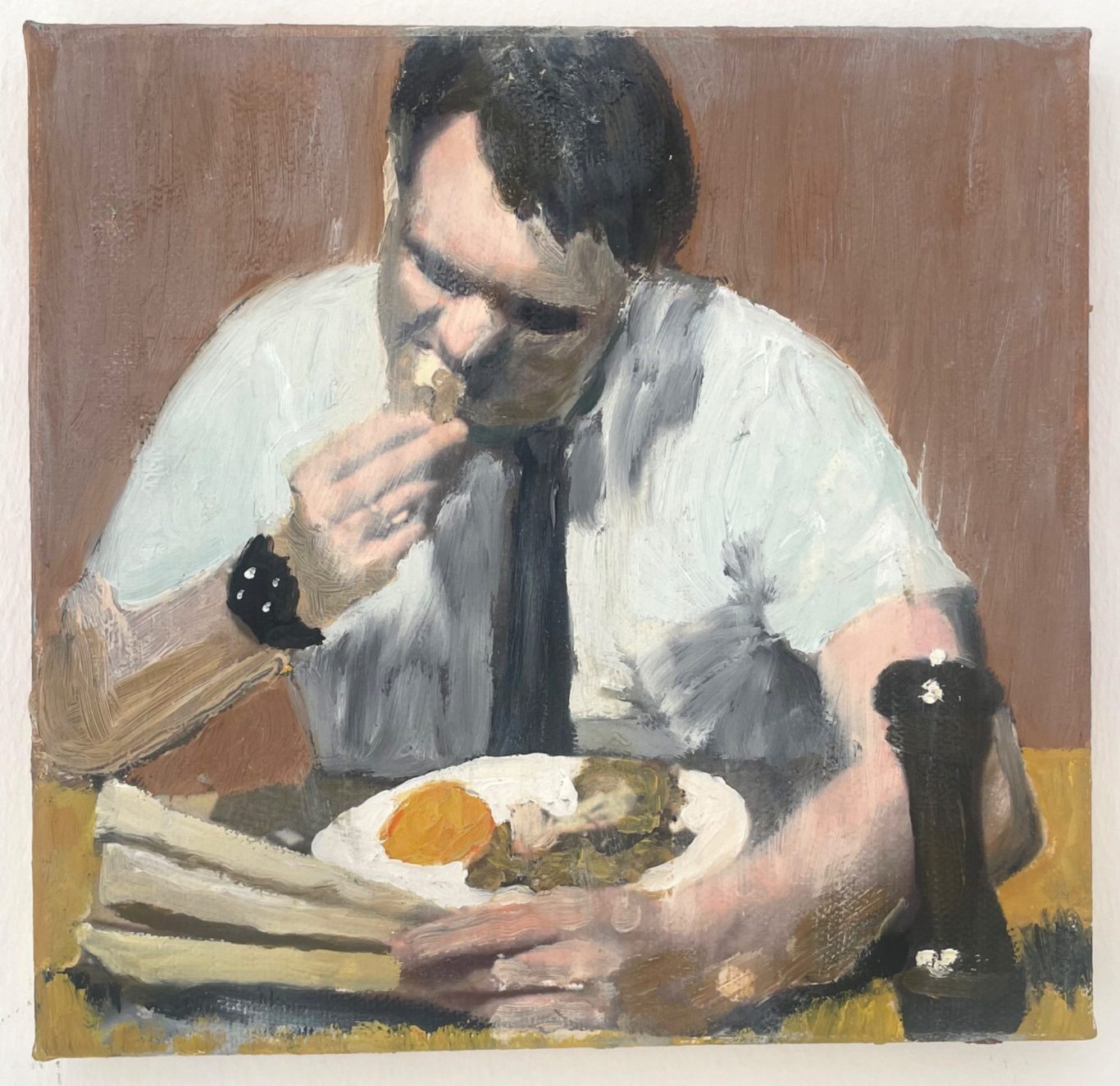
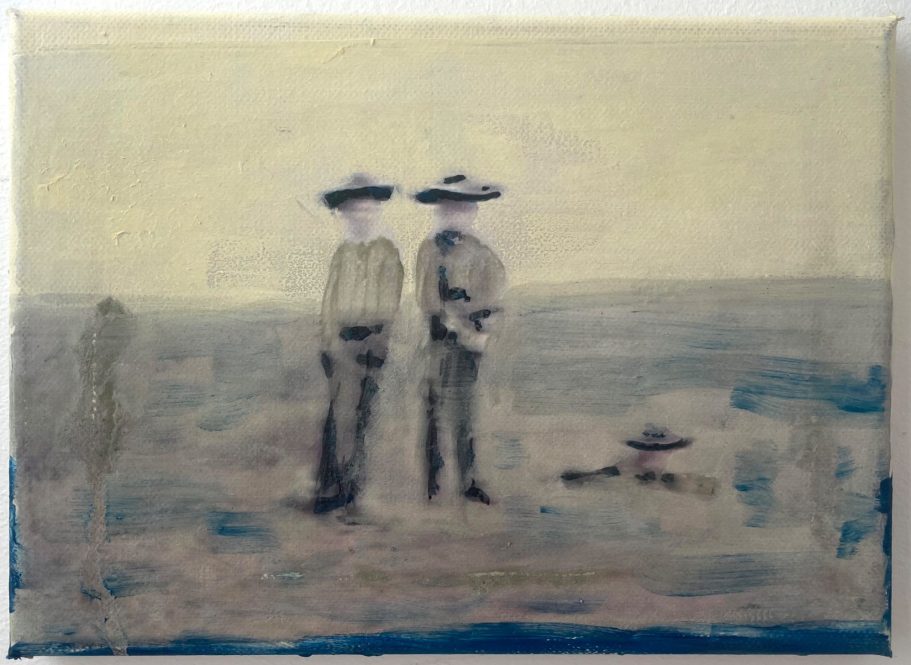
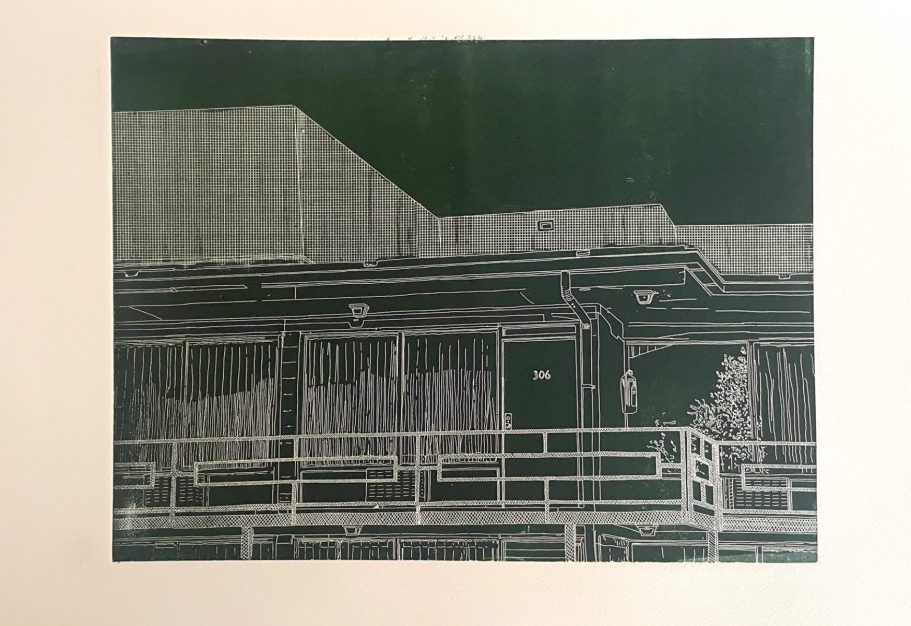
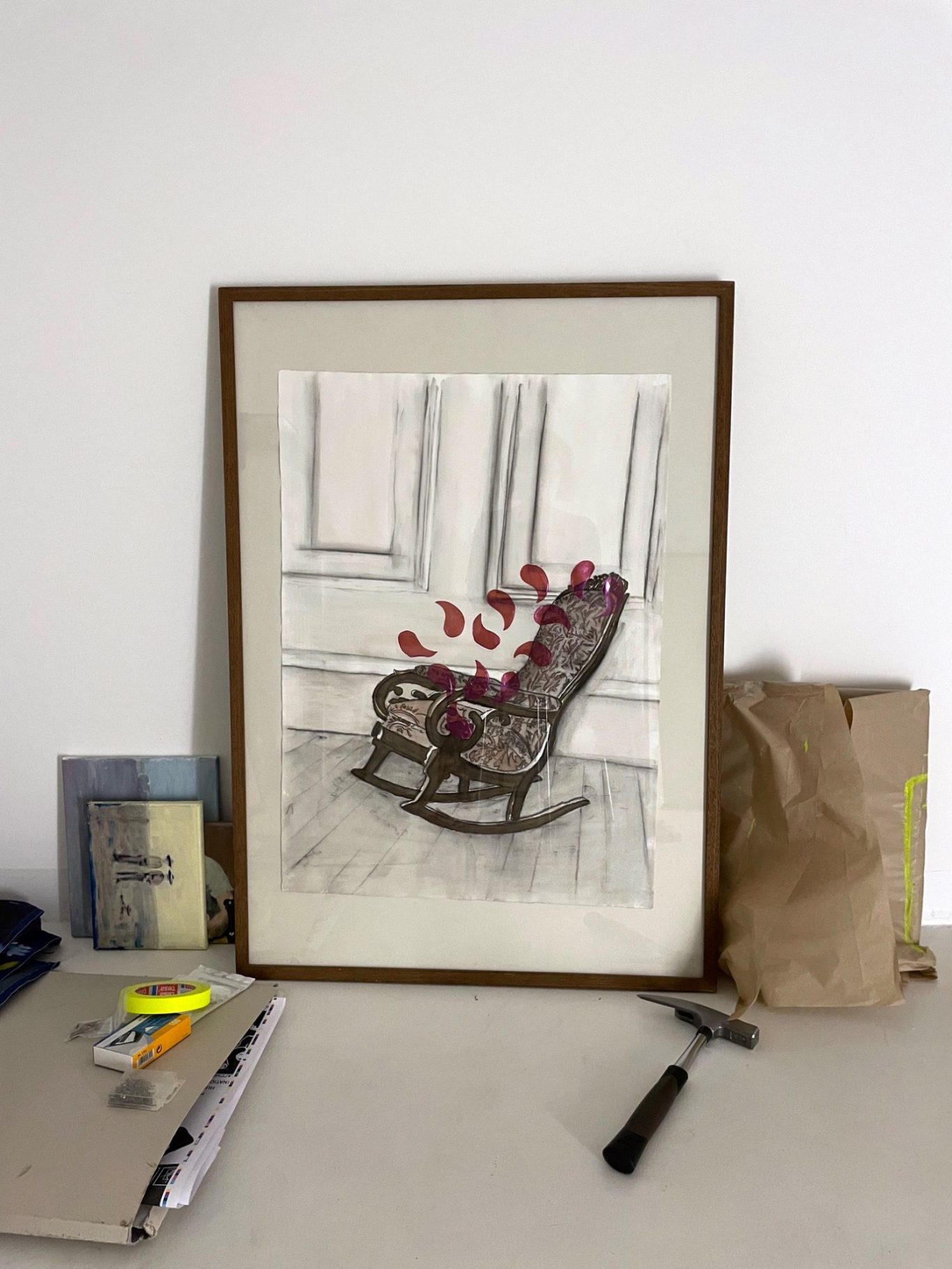
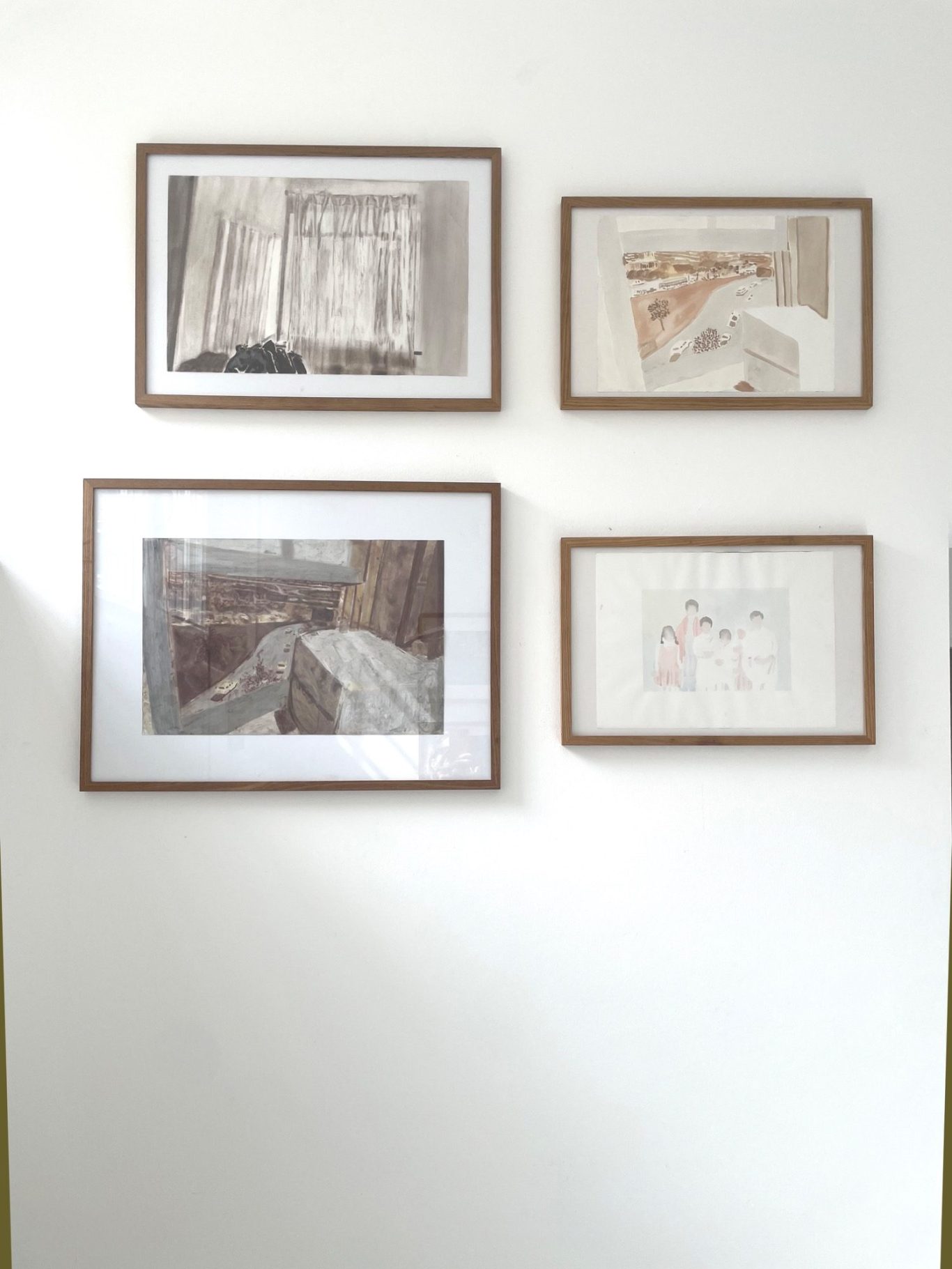
from top to bottom
left to right
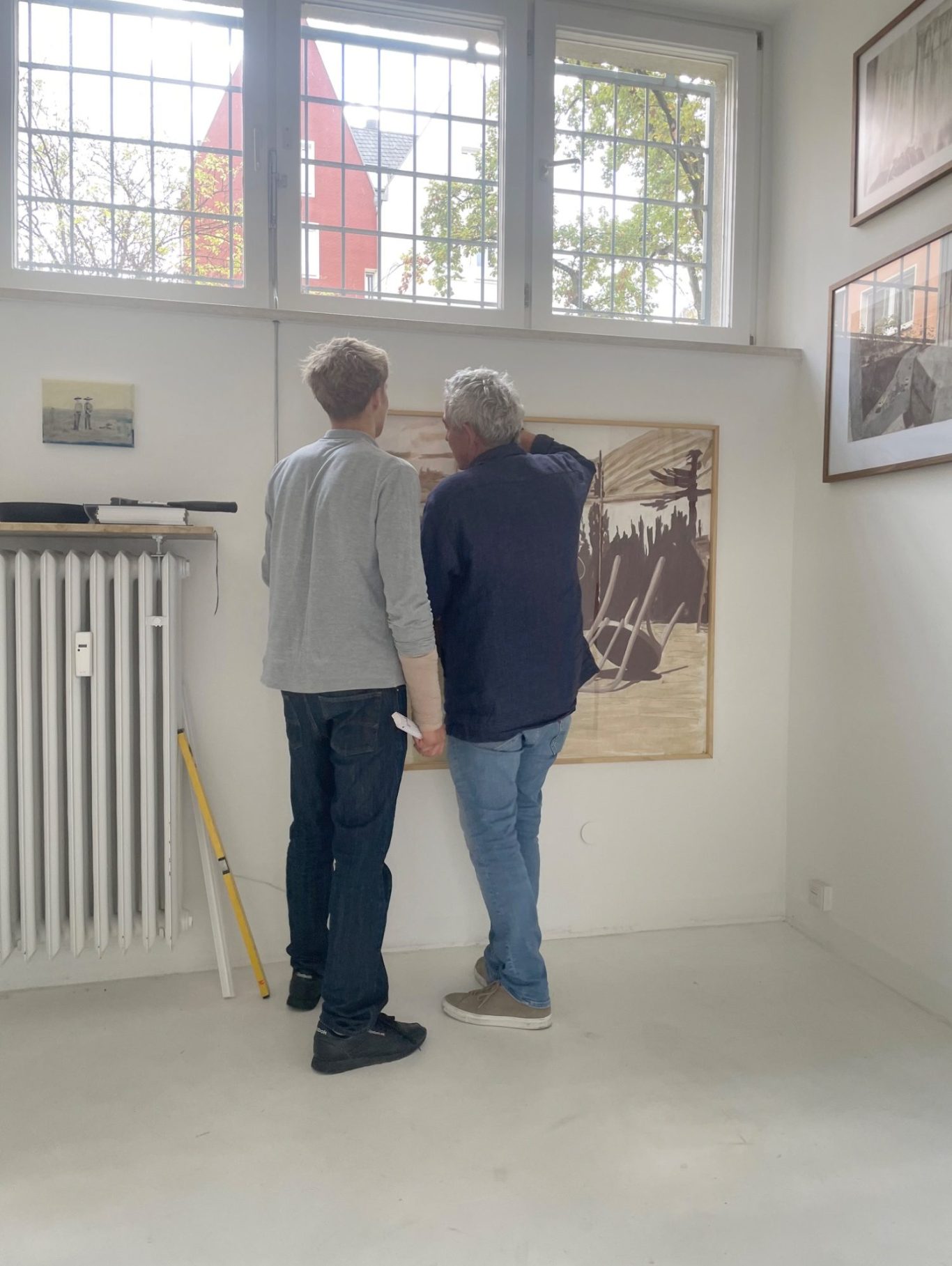
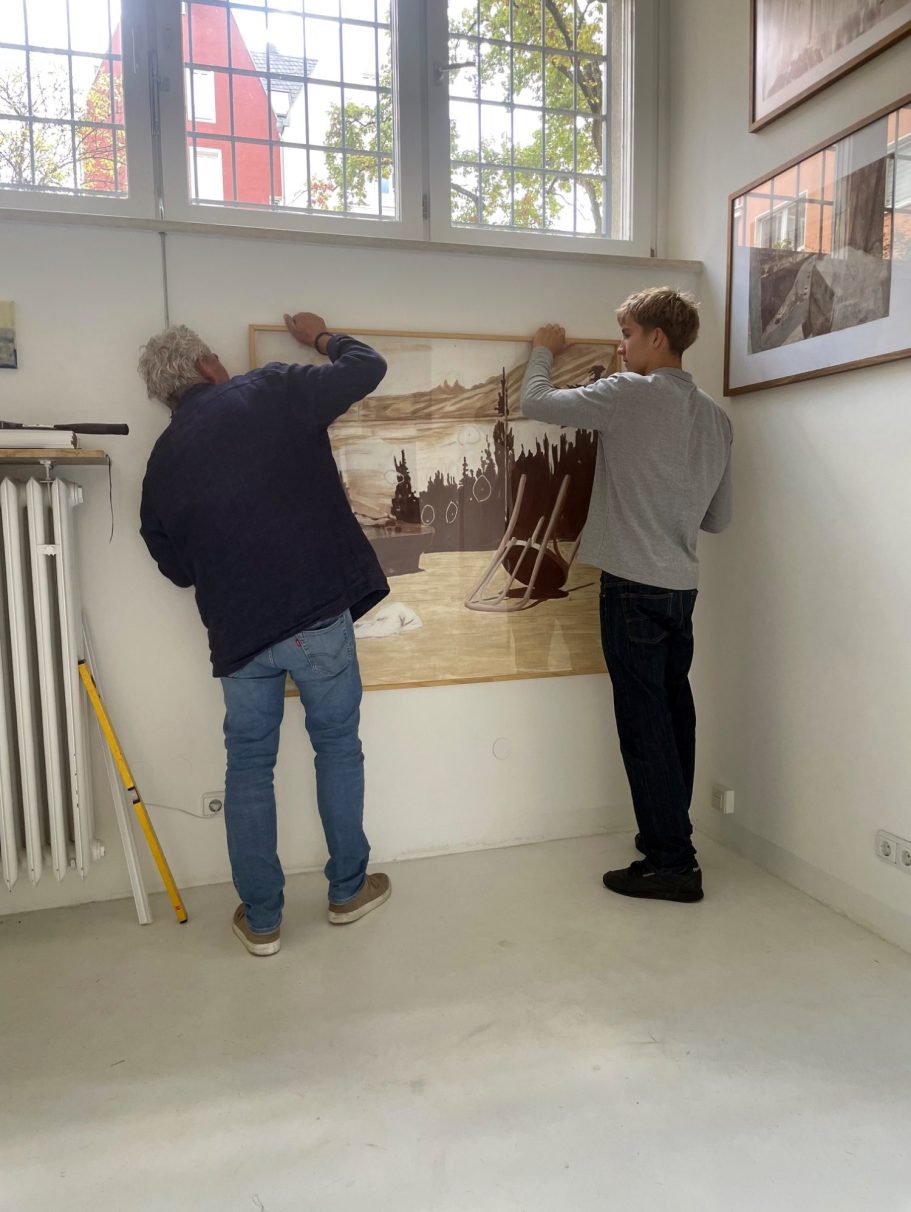
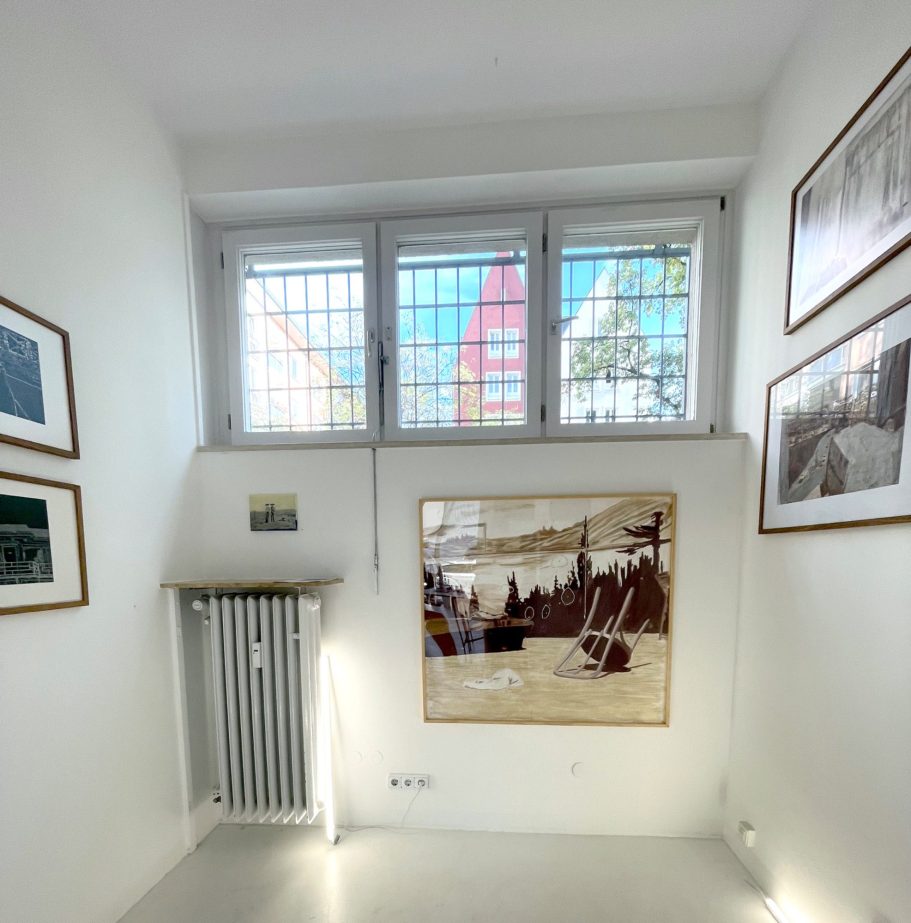
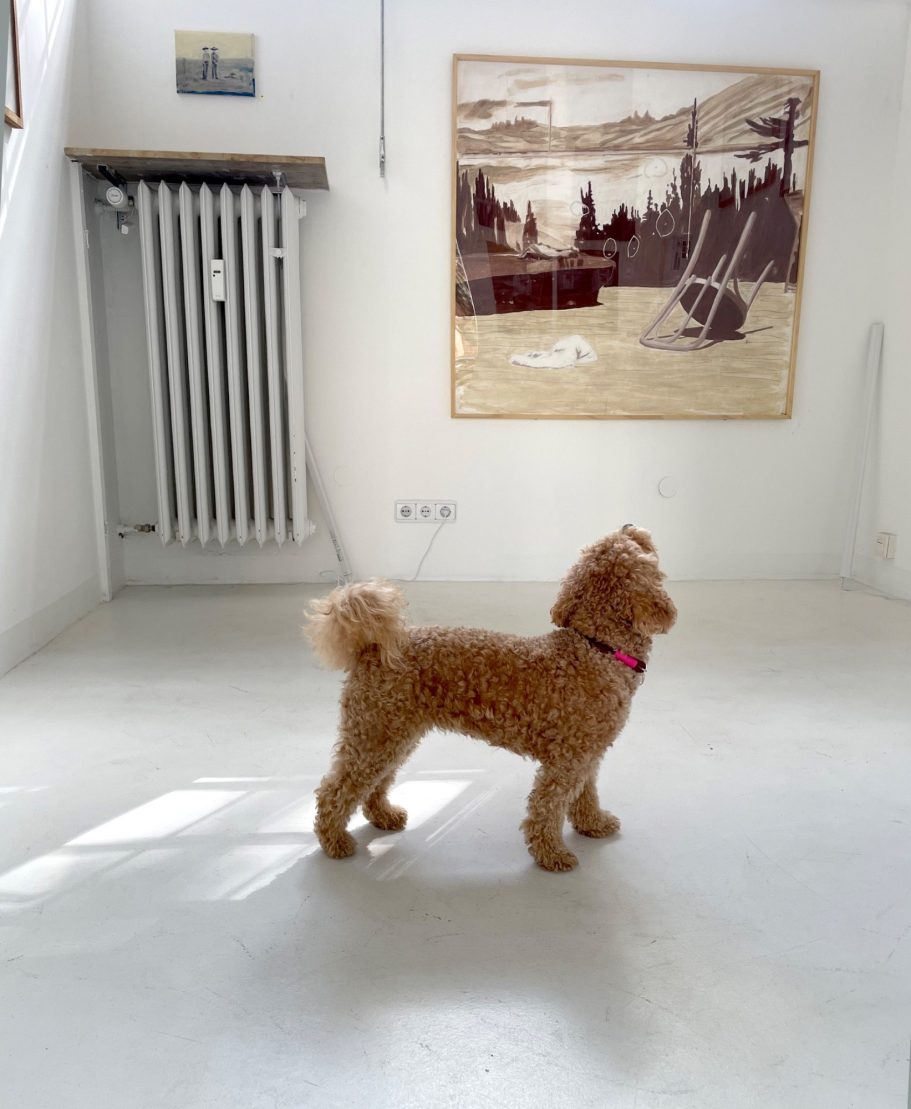
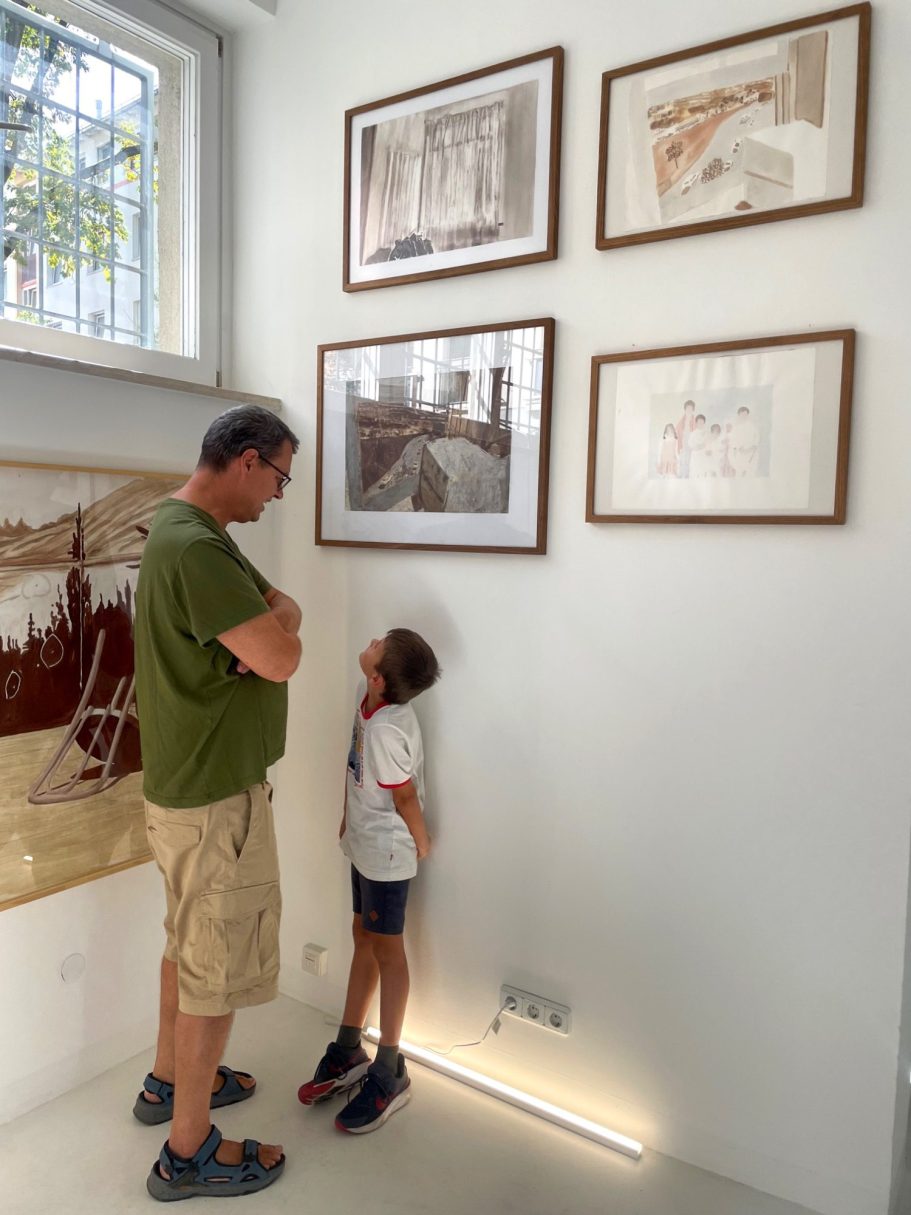
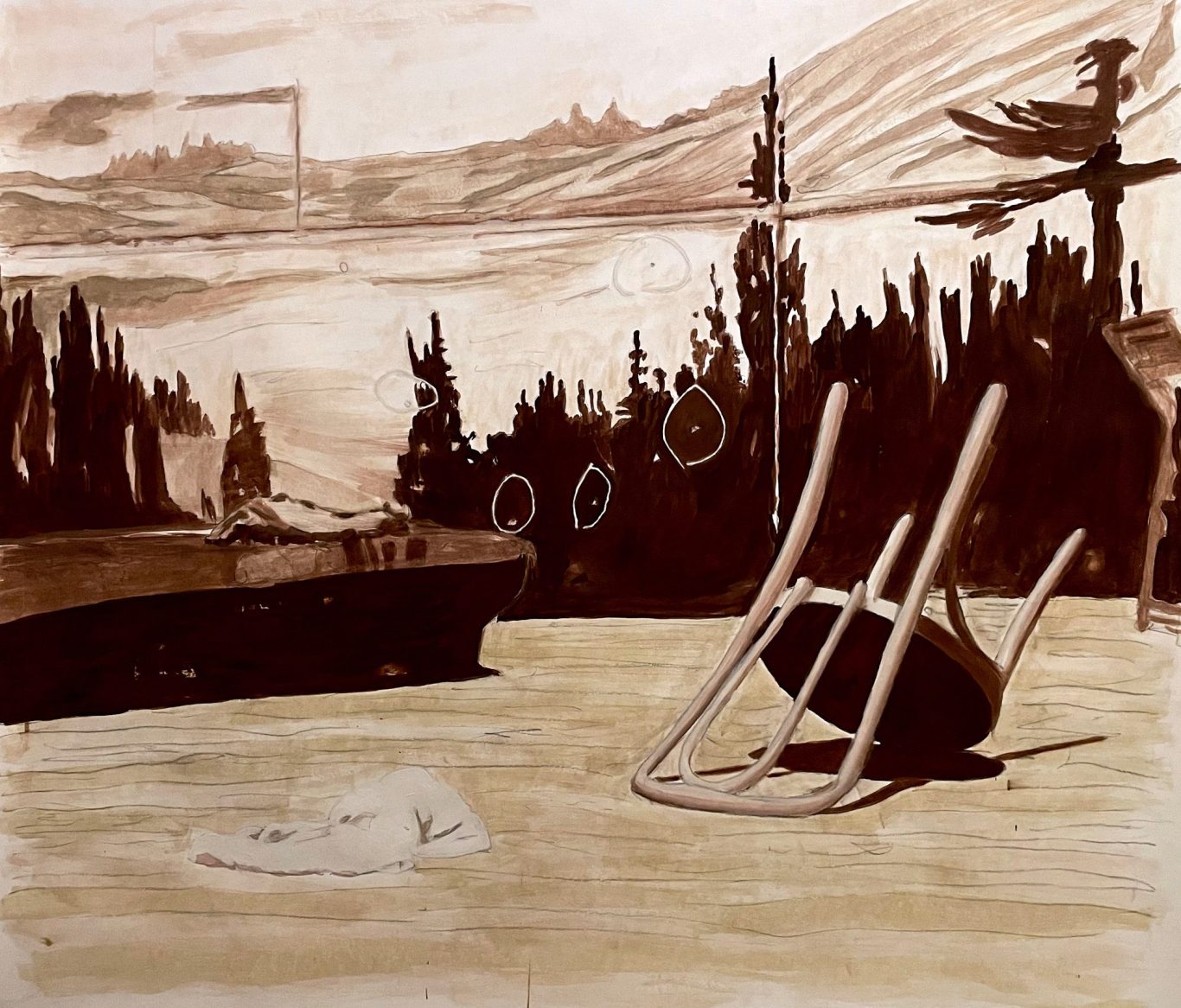
Malcolm, watercolor, eyeshadow, pigments, charcoal on buetten paper, 111 x 120
John, watercolor on watercolor paper, 48 x 37
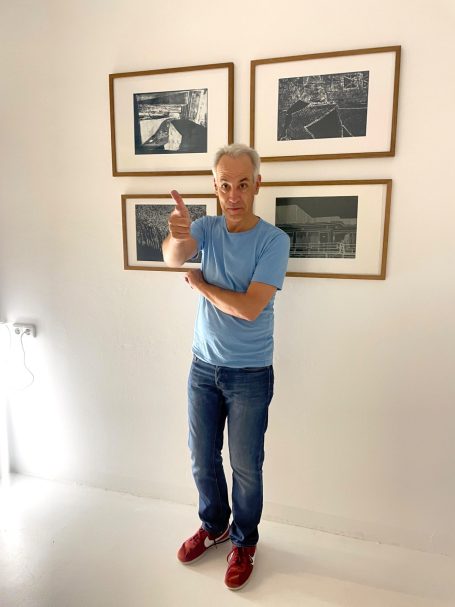
John, charcoal, ink, wax, pigments, acrylic on photographic paper, 60 x 40
Rosemarie, engraving
Mary Jo, engraving, 42 x 30
John, engraving, 56 x 40
Martin, engraving, 56 x 38
Petra, charcoal, ink, wax, pigments, acrylic on photographic paper, 40 x 60
Fatima, Abdullah, Hamza, Hussain, Zainaab, Ibraheem watercolor on watercolor paper, 48 x 36
Neil, oil on canvas, 20 x 20
Chess Harper at the foot of the blue mountains, oil on canvas, 30 x 25
Abraham, watercolor, eyeshadow, pigments, charcoal on buetten paper, 80 x 100